

Regulatory Focus
Energy Efficiency Requirements
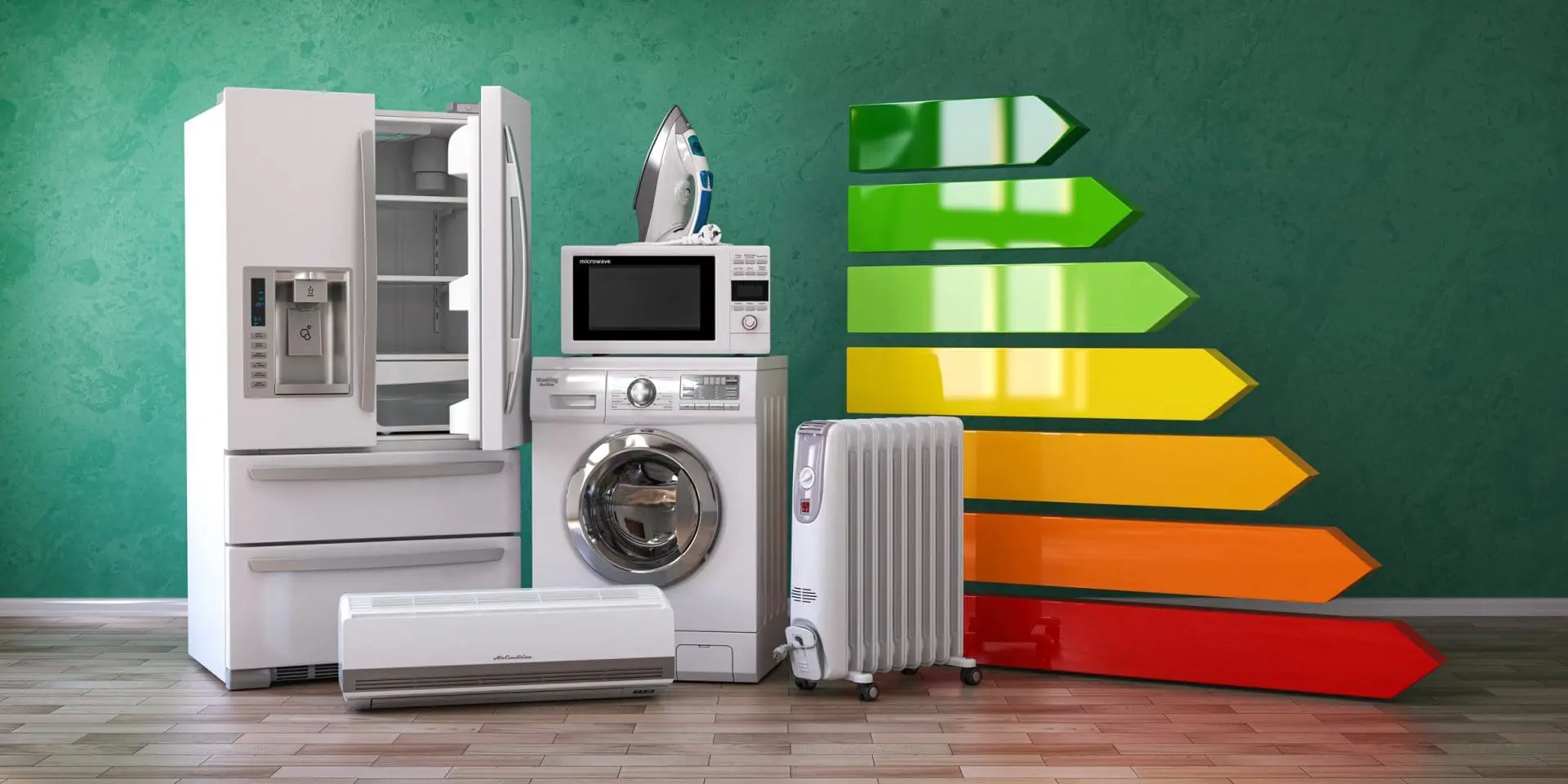
Energy Efficiency
195
Countries Covered
28
Languages
5690
Regulatory Sources
Energy efficiency regulations apply to energy-using and energy-related products by setting minimum performance limits and requiring standardised energy labelling. These rules typically mandate product testing, certification, and compliance documentation to ensure consistent performance across markets.
Energy efficiency regulations establish minimum performance standards and energy labelling requirements for energy-using and energy-related products. Therefore, manufacturers must test, certify, and document compliance to ensure market access and avoid penalties, product recalls, or sales bans.
Energy efficiency regulations typically require manufacturers to test, certify, and label products to demonstrate compliance with minimum energy performance standards (MEPS).
Requirements generally include:
- Comply with testing procedures and meet minimum energy performance standards.
- Display energy-efficiency labels on products.
- Information to consumers (eg., product characteristics and instructions).
- Register product data in centralised compliance databases.
- Retain records demonstrating compliance.
Our coverage includes mandatory energy labeling and minimum performance standards for energy-using and energy-related products, plus related database and market surveillance requirements. We track regulations from major jurisdictions, including EU energy labels and ecodesign rules, US federal efficiency standards, and national product catalogs and testing requirements. We also cover harmonized and national standards that support compliance testing and certification.
- EU: Framework for Energy Efficiency Labelling, Regulation (EU) No 2017/1369
- EU: Operational Details for the Functioning of the European Product Registry for Energy Labelling (EPREL), Regulation (EU) 2024/994
- EU: Framework for Setting Ecodesign Requirements for Sustainable Products (ESPR), Regulation (EU) 2024/1781
- EU: Energy Labelling of Smartphones and Slate Tablets, Regulation No. 2023/1669
- USA: Energy Efficiency Program for Certain Commercial and Industrial Equipment, Rules, 10 CFR 431, 1999
- USA: Certification, Compliance, and Enforcement for Consumer Products and Commercial and Industrial Equipment, Rule, 10 CFR 429, 2011
- EAEU: Approving Technical Regulations on Energy Efficiency Requirements for Energy-Consuming Devices, Decision No. 114, 2019
- China: Catalogue of Products Subject to Energy Efficiency Labelling (17th Batch), Announcement No. 45, 2025
- Mexico: Simplifying Procedures on Energy Efficiency of Electrical Equipment and Appliances, Agreement, February 2026
- China: Minimum Allowable Values of Energy Efficiency and Energy Efficiency Grades of LED Products, Standard GB 30255-2026
- Iraq: Energy Efficiency Labels for Household Electrical Appliances, Notice, January 2026





Intelligent Resources



Automate the work of managing regulatory change.
Let AI agents do the heavy lifting of monitoring regulations, mapping requirements to products, extracting obligations, and surfacing the risks that need attention first.
Monitor Product Compliance
Stay Ahead of Regulatory Change
Get early visibility into changes that could affect your products, supply chain, or market access—so you can act proactively, not reactively.
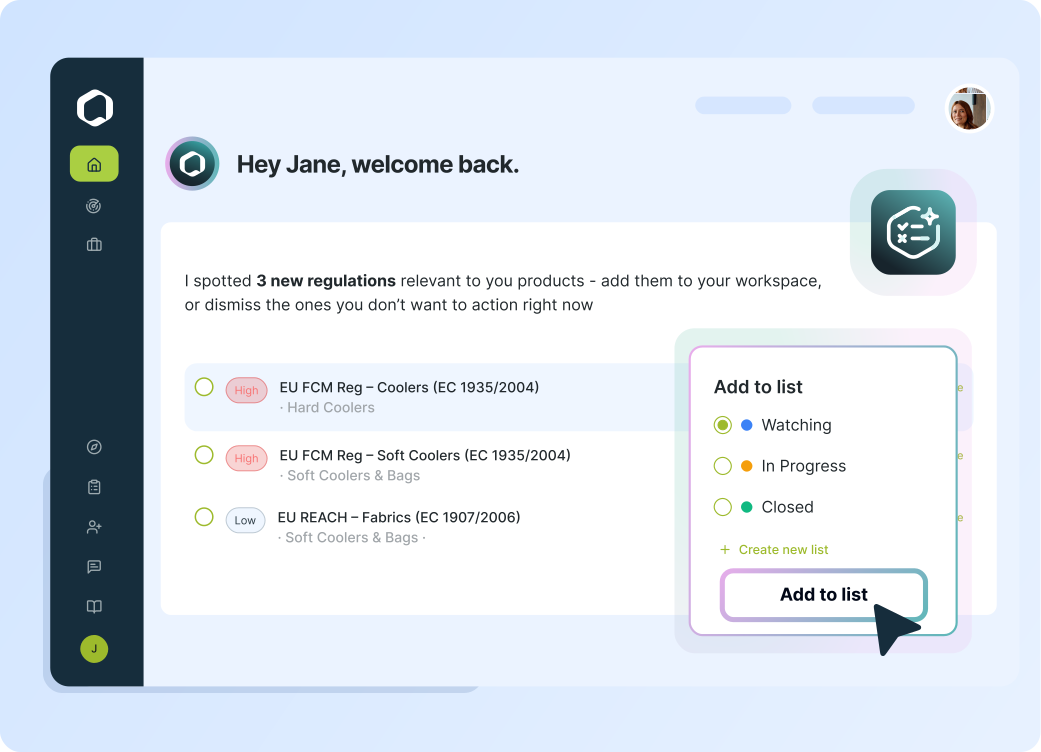
Assess Regulatory Applicability
Map Regulations to Your Products
Eliminate manual research and cut through regulatory noise by surfacing only the requirements relevant to your business, markets, and product categories.
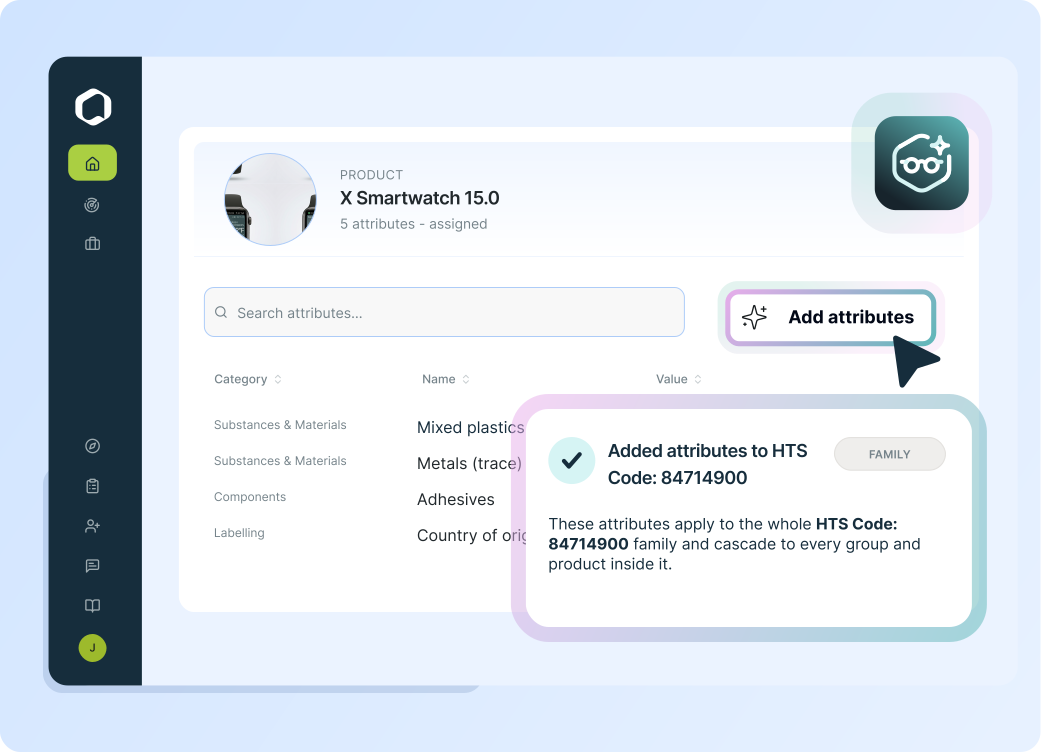
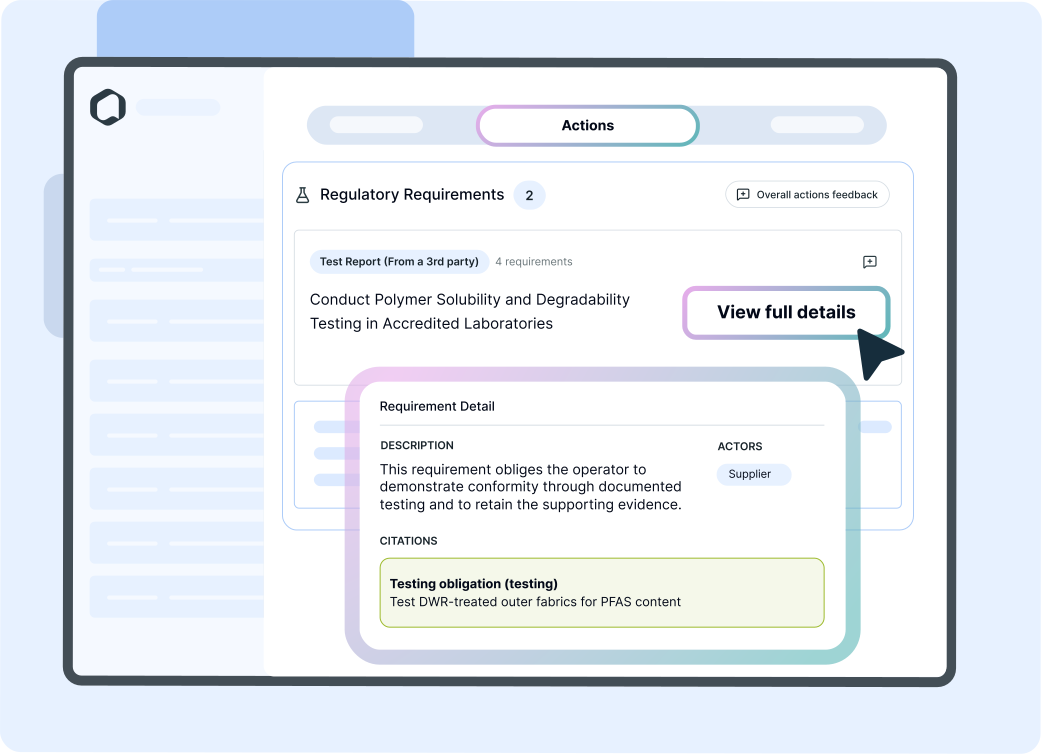
Identify Compliance Requirements
Turn complex regulations into clear, actionable tasks.
Give your teams instant clarity as AI agents transform dense legal and regulatory text into structured, easy-to-understand requirements.
Prioritize Business Risk
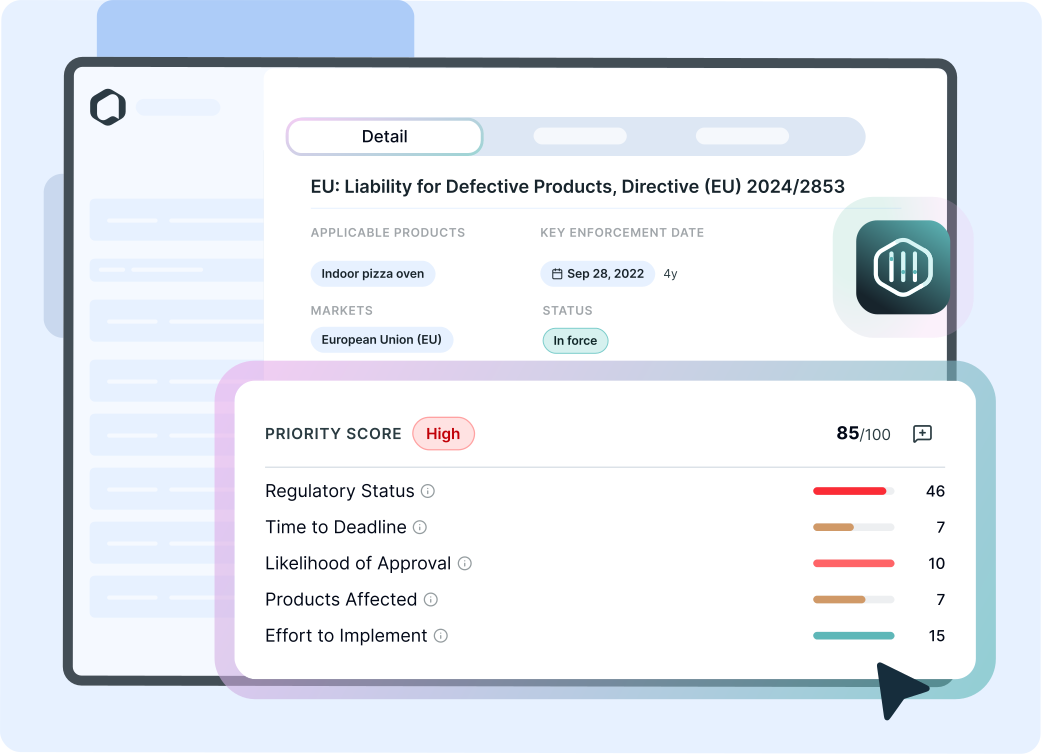
Focus Where Risk Is Highest
Make faster, risk-informed decisions with confidence as AI agents automatically rank regulatory changes based on urgency, business impact, compliance deadlines, and product exposure.
Spotlight
Turning Compliance into Value


The State of Product
Compliance 2026
Discover how 500+ global leaders are shifting product compliance from a cost-centre into a strategic driver of growth, with key benchmarks like 69% of teams calling remediation their biggest challenge.
Frequently Asked Questions
-
Although specific product scope and requirements vary by jurisdiction, mandatory energy labeling generally applies to products that consume energy or significantly influence energy use during operation. These typically include household appliances such as refrigerators, washing machines, and dishwashers; heating and cooling equipment like air conditioners and heat pumps; lighting products; televisions and other electronic displays; and certain IT and electrical devices.
-
Companies are required to ensure that their products comply with minimum energy performance standards (MEPS) and are accompanied by correct energy labels, including accurate ratings and relevant technical information. They may also be required to register product data in a central database for market surveillance, and ensure the product is not sold if it fails to meet the prescribed energy efficiency thresholds.
-
The obligations related to the technical documentation lie with the economic operator who places a product on the market or puts it into service, regardless of where the product is imported from.
-
Under the EU Energy Labelling Regulation and its delegated acts, energy labels must be displayed in a clearly visible location on the appliance. Placing the label inside the appliance is not allowed because it would violate the general requirement that the label be visible to consumers. The relevant delegated acts specify that the label must be directly and clearly observable, usually referring to “on front” or “on top” of the appliance.