

Regulatory Focus
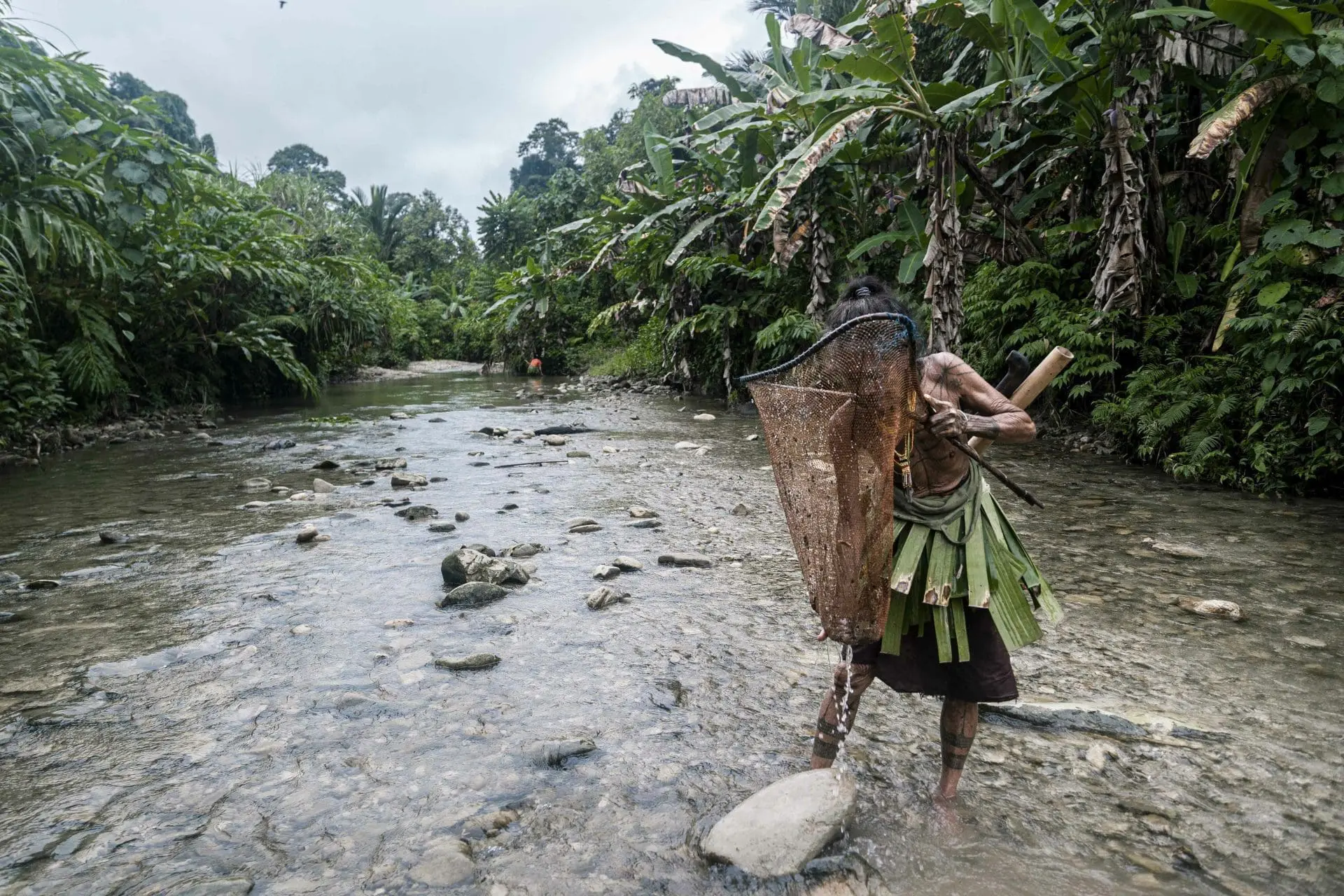
Human Rights – Affected Communities
Human Rights – Affected Communities
195
Countries Covered
28
Languages
262
Regulatory Sources
Global coverage of binding laws, regulations, standards, and guidance addressing how companies must identify, prevent, and address human rights risks of affected communities.
Companies must identify, prevent, and mitigate human rights risks, actively engage stakeholders, and ensure due diligence and remediation where necessary. Addressing these impacts protects communities, strengthens trust, reduces operational risks, and safeguards the company’s reputation.
Companies are typically required to implement measures and disclose how they identify, assess, and manage human rights impacts on communities affected by their operations and value chains.
This generally includes:
- Policies or plans for managing risks, impacts, and opportunities.
- Human rights due diligence processes in place.
- Engagement processes to assess impacts and address negative effects (eg, indigenous or community consultations, grievance mechanisms, and channels for raising concerns).
- Actions and mitigation measures (eg, staff training and mitigation plans).
- Targets and goals to reduce negative impacts and promote positive outcomes for affected communities.
We cover mandatory laws, regulations and standards, as well as voluntary frameworks that shape how companies identify, manage, and disclose impacts on affected communities. This includes requirements related to human rights due diligence, stakeholder engagement, Indigenous or community consultation across global, regional, and national instruments, including but not limited to:
- Australia: Aboriginal and Torres Strait Islander Heritage Protection Act 1984 (ATSIHP Act)
- Australia: Protection of Movable Cultural Heritage Act 1986
- Belgium: Ban on the Trade of Products and Services arising from Human Rights Violations, Draft Law, 29 August 2024
- Colombia: Human Rights Framework for Companies, Draft Law, July 2025
- Colombia: Corporate Social Responsibility for Victims of Armed Conflicts, Draft Law, October 2025
- EU: Sustainability Reporting Standards, Delegated Regulation, July 2023 (including ESRS S3 on Affected communities)
- EU: European Sustainability Reporting Standard (ESRS) S3 Affected Communities, Standard, July 2023 – Proposed Amendment – (on simplification and reduction of data points, clarification on disclosures of human rights incidents) Draft Standard, July 2025
- Ecuador: Human Rights, Nature, and Corporate Accountability, Resolution No. 054-DPE-CGAJ-2025
- Illinois (USA): Environmental Protection Act, 415 ILCS 5, Law, 1970 – Proposed Amendment – (on ensuring proper consultation of environmental justice communities and environmental justice assessment) Senate Bill 1307, 2025
- Japan: Respect for Human Rights in Responsible Supply Chains, Guidance Document, August 2022
- Mexico: Amendment to the Mexican Constitution on Prior Consultation and Informed Consent of Indigenous People and Afromexican Communities, Decree, September 2024
- Mexico: General Law on Consultation to Indigenous and Afro-Mexican Peoples and Communities, Draft Law, July 2025
- Michigan (USA): Natural Resources and Environmental Protection Act, PA 451, 1994 – Proposed Amendment – (on overburdened communities and environmental justice) Senate Bill 479, 2025
- OECD: Multinational Enterprises on Responsible Business Conduct in a Global Context, Guidance Document, June 2023
- Peru: General Environmental Law No. 28611, 2005 -Proposed Amendment- (on proper consultation of affected communities) Draft Law, June 2024
- Spain: Prohibiting the Marketing of Products in Situations of Illegal Occupation of Territories, Draft Law, June 2025
- Switzerland: Popular Initiative for Responsible Businesses in Protecting Human Rights and the Environment, Decision, January 2025
- OAS: Climate Emergency and Human Rights, Advisory Opinion OC-32/25
- UNDP: Human Rights Due Diligence and the Environment. A Practical Tool for Business, Guidance Document, November 2024
- UN: The Ten Principles of the UN Global Compact, 2000
- UN: Guiding Principles on Business and Human Rights, Guidance Document, March 2011
- UN: Regulating in International Human Rights Law the Activities of Transnational Corporations and Other Business Enterprises, Draft Treaty, July 2018
- New York (USA): Enhanced Public Participation for Major Projects Near Disadvantaged Communities, Assembly Bill 2417, January 2025
- Washington (USA): Air Quality in Overburdened Communities, Draft Rules, November 2025



Intelligent Resources


Automate the work of managing regulatory change.
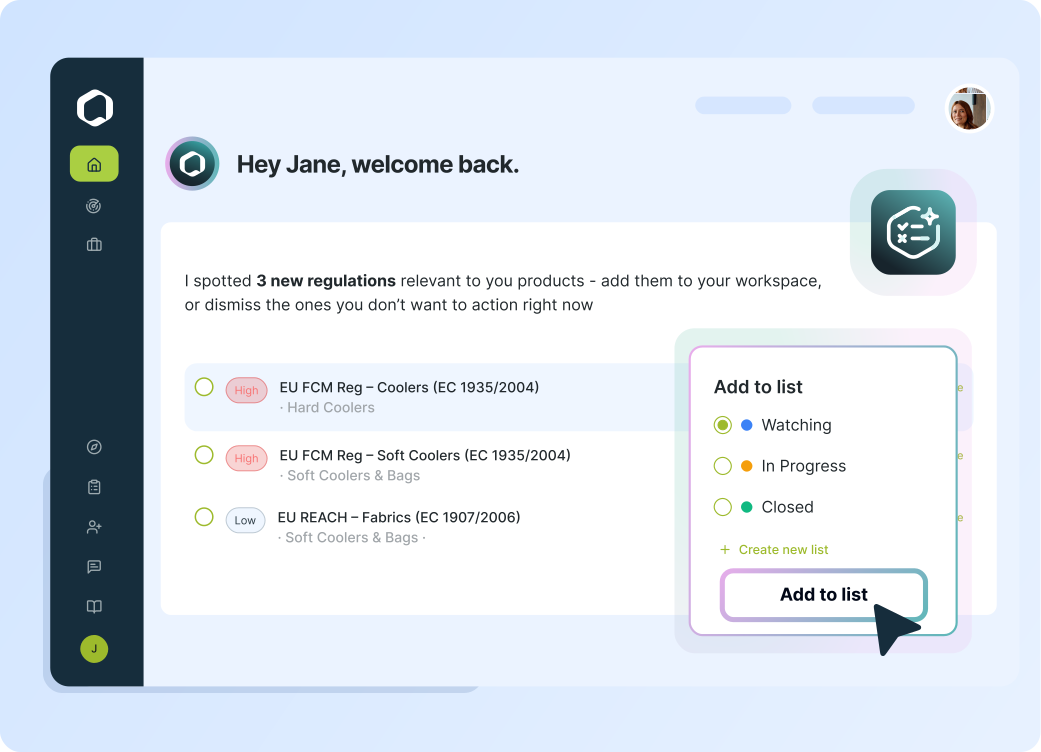
Let AI agents do the heavy lifting of monitoring regulations, mapping requirements to products, extracting obligations, and surfacing the risks that need attention first.
Monitor Product Compliance
Stay Ahead of Regulatory Change
Get early visibility into changes that could affect your products, supply chain, or market access—so you can act proactively, not reactively.
Assess Regulatory Applicability
Map Regulations to Your Products
Eliminate manual research and cut through regulatory noise by surfacing only the requirements relevant to your business, markets, and product categories.
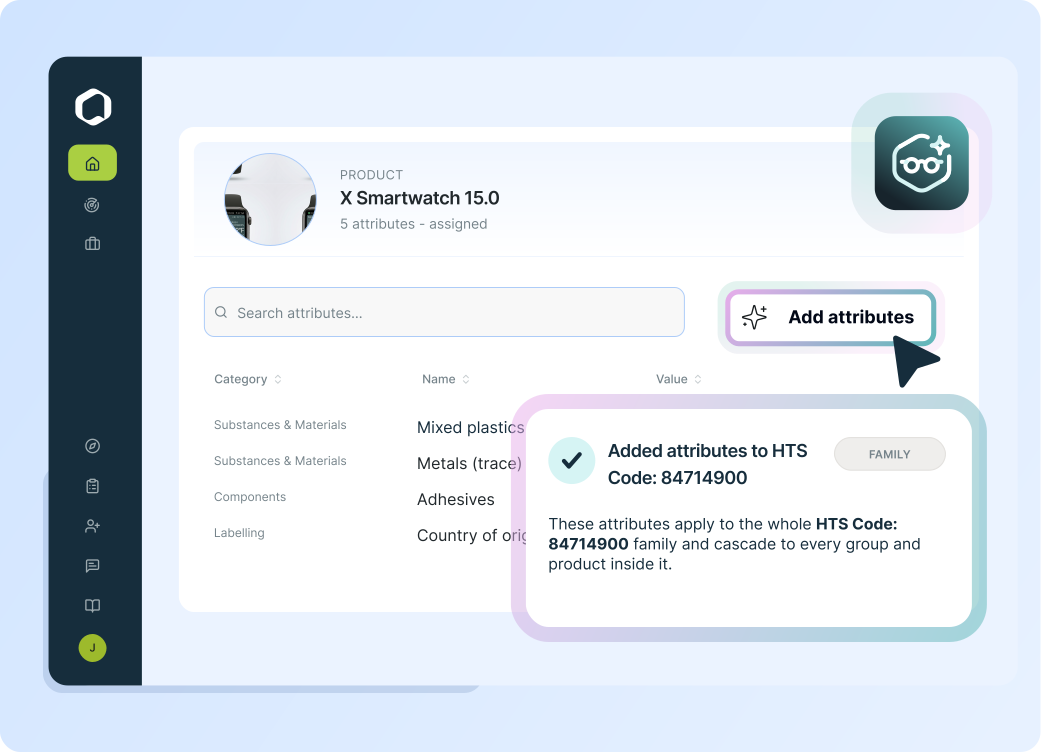
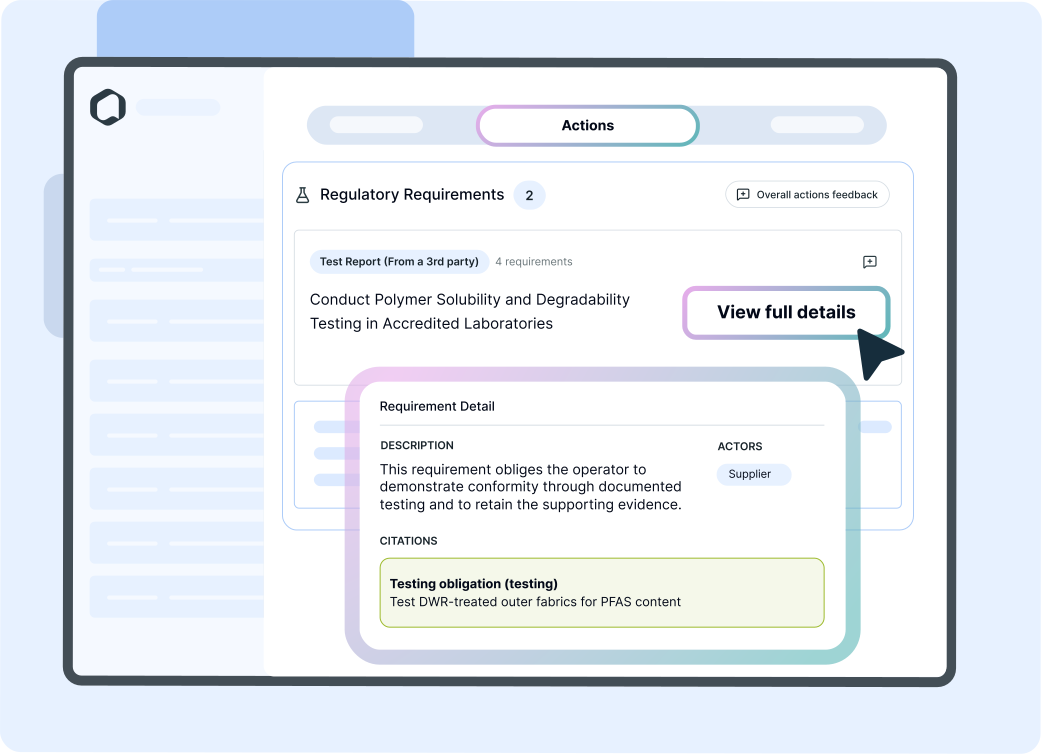
Identify Compliance Requirements
Turn complex regulations into clear, actionable tasks.
Give your teams instant clarity as AI agents transform dense legal and regulatory text into structured, easy-to-understand requirements.
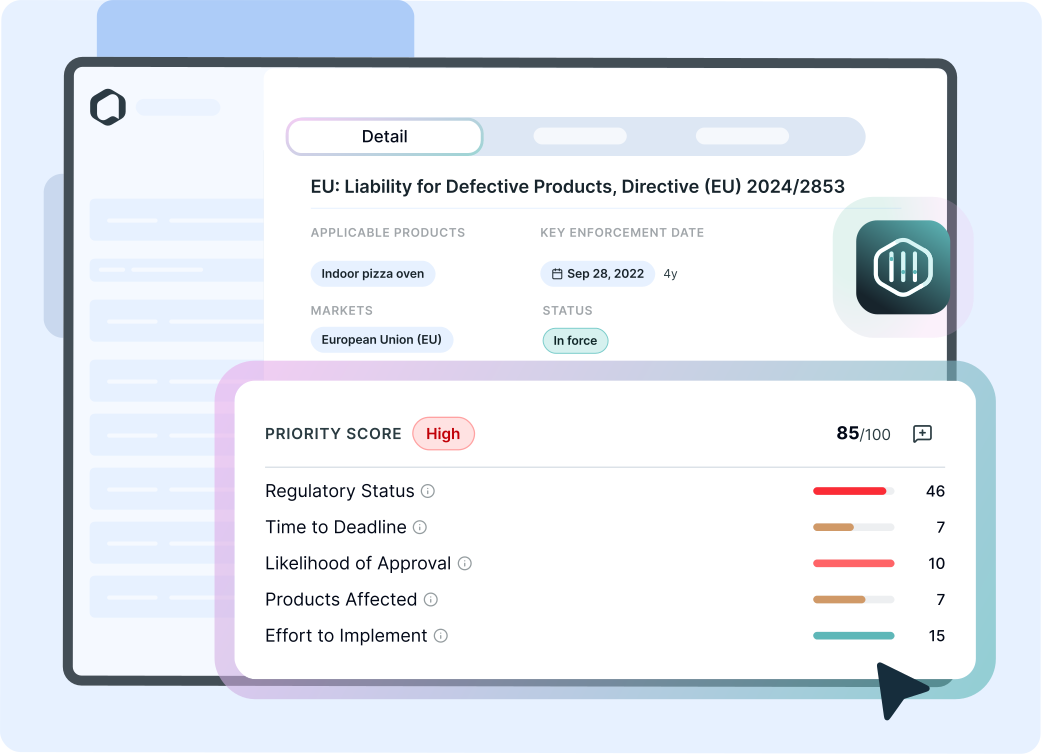
Prioritize Business Risk
Focus Where Risk Is Highest
Make faster, risk-informed decisions with confidence as AI agents automatically rank regulatory changes based on urgency, business impact, compliance deadlines, and product exposure.
Spotlight
Turning Compliance into Value


The State of Product
Compliance 2026
Discover how 500+ global leaders are shifting product compliance from a cost-centre into a strategic driver of growth, with key benchmarks like 69% of teams calling remediation their biggest challenge.
Frequently Asked Questions
-
Affected communities include individuals and groups outside a company’s direct workforce who may experience adverse or beneficial impacts from its operations, activities, or business relationships. This typically includes local or remote communities near operational sites, communities affected along the value chain, and Indigenous peoples.
-
Companies are commonly required to disclose or implement policies, processes, and actions to identify, prevent, mitigate, and remediate human rights impacts on affected communities. This includes engagement and consultation mechanisms, grievance and remedy processes, actions taken to address risks, and progress against targets, as reflected in instruments such as ESRS S3, UN Guiding Principles, and emerging national laws.
-
Routine business activities, such as manufacturing, production, and facility expansions, can generate air pollution, waste, and wastewater that affect the health and quality of life of nearby residents. Limited communication or a lack of feedback channels can worsen these impacts, making it important to assess and mitigate risks from everyday operations.
-
A grievance mechanism is a system that allows stakeholders to raise concerns or complaints about human rights issues safely. At the company level, grievance mechanisms outline clear steps for handling complaints and ensuring concerns are addressed fairly. According to the UN Guiding Principles on Business and Human Rights (UNGPs), a good grievance mechanism should be legitimate, accessible, predictable, fair, transparent, respect rights, encourage learning, and involve open dialogue.
-
No. Consultations are an important part of a business impact identification and human rights due diligence process, but they do not replace Free, Prior, and Informed Consent (FPIC). While consultations can complement FPIC, obtaining consent requires that Indigenous Peoples are fully informed, participate freely, and give their agreement, including on just and fair compensation, in line with the UN Declaration on the Rights of Indigenous Peoples.