

Regulatory Focus
Climate Change
Climate change
195
Countries Covered
28
Languages
5653
Regulatory Sources
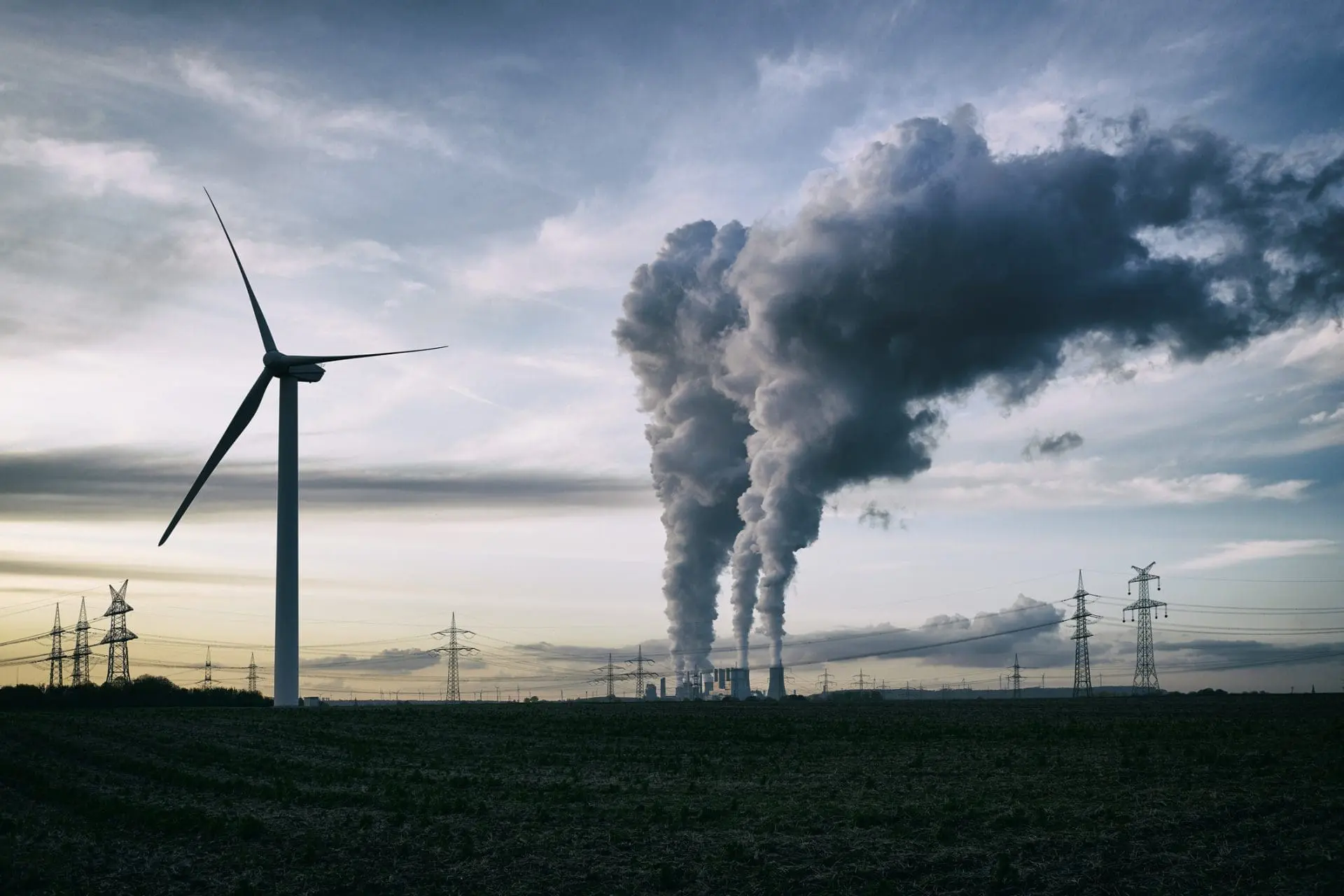
Manufacturing is one of the highest carbon-emitting sectors globally, driving a shift toward energy-efficient operations and climate-friendly products. This includes both voluntary initiatives and mandatory requirements, shaped by international bodies such as the United Nations and the European Union.
Climate change regulations cover both product-specific restrictions (such as limits on certain refrigerants and gas appliances) and broader reporting obligations on greenhouse gas emissions, risks, and climate-related impacts, affecting companies’ product design, supply chains, and disclosure practices.
Manufacturers may need to meet obligations ranging from reporting and disclosure of greenhouse gas emissions to implementing climate-friendly production practices, including energy efficiency measures and phasing out high-GWP refrigerants. This can include mandatory reporting, carbon pricing mechanisms, and restrictions on products that use ozone-depleting substances or fluorinated gases. Compliance requirements may also arise from national climate targets under the Paris Agreement and the Kigali Amendment, which influence domestic policy and industry regulations.
- Mandating facility-level disclosure of greenhouse gas emissions, especially for energy-intensive manufacturing plants;
- Emissions Trading systems that set upper limits for manufacturers’ GHG emissions where heavy emitters must pay to acquire more credits from less carbon-intensive participants;
- Restrictions on the manufacture, import and use of refrigerants in appliances including air conditioning equipment and refrigerators that have high GWP;
- Quota systems and reporting obligations imposed on fluorinated gasses or ozone depleting substances (such as CFCs, HCFCs, HFCs, PFCs and SF6);
- Monetary incentives on the use of innovative low-carbon technologies during manufacturing processes.
Our coverage includes regulations and standards addressing greenhouse gas reporting, climate neutrality frameworks, emissions trading and carbon pricing, and restrictions on ozone-depleting and fluorinated gases. It also includes international climate agreements and national laws implementing Paris Agreement commitments, HFC phase-down measures, and product-specific controls for refrigeration and other industrial uses.
- Canada: Reporting of Greenhouse Gases (GHGs) for Years 2024 and 2025, Notice, December 2023
- EU: Framework for Achieving Climate Neutrality, Regulation (EU) 2021/1119 (Climate Law)
- EU: Fluorinated Greenhouse Gases, Regulation (EU) 2024/573
- EU: Substances that Deplete the Ozone Layer, Regulation (EU) 2024/59
- EU: Greenhouse Gas Emission Allowance Trading, Directive 2003/87/EC
- EU: Effort to Reduce Greenhouse Gas Emissions, Decision 406/2009/EC
- EU: Establishing a Carbon Border Adjustment Mechanism, Regulation (EU) 2023/956
- El Salvador: Maximum Allowable HCFC Import Levels for Refrigeration, Air Conditioning and Foam Manufacturing Services, Agreement No. 343, 2025
- China: Prohibiting the Production of Extruded Polystyrene Foam Products Using Hydrochlorofluorocarbons (HCFCs) as Foaming Agents, Announcement No. 31, 2025
- Croatia: Climate Change and Protection of the Ozone Layer, Act NN 67/2025
- Germany: Climate Adaptation Act, BGBl. 393, 2023
- Georgia: Approving Nationally Determined Contribution under the Paris Agreement, 2030 Climate Change Strategy and 2021-2023 Action Plan, Resolution No. 167, 2021
- UN: United Nations Framework Convention on Climate Change, 1992
- UN: Kyoto Protocol to the United Nations Framework Convention on Climate Change, 1997
- UN: Montreal Protocol on Substances that Deplete the Ozone Layer, 1987
- UN: Montreal Protocol on Substances that Deplete the Ozone Layer, 1987 – Amendment – (on the phase-down of HFCs) Decision XXVIII/2016 (Kigali Amendment)
- UN: Vienna Convention for the Protection of the Ozone Layer, 1985
- UN: Adoption of the Paris Agreement, Decision 1/CP.21, January 2016
- China: Green and Efficient Refrigeration Action Plan, Notice No. 1054, 2019
- France: Energy and Climate, Law No. 2019-1147
- France: Greenhouse Gas Emissions Reports, Decree No. 2022-982
- Turkey: Climate Law, July 2025
- United Arab Emirates: Reduction of Climate Change Effects, Federal Decree Law No. 11, 2024
- Thailand: Climate Change, Draft Law, December 2025




Intelligent Resources




Automate the work of managing regulatory change.
Let AI agents do the heavy lifting of monitoring regulations, mapping requirements to products, extracting obligations, and surfacing the risks that need attention first.
Monitor Product Compliance
Stay Ahead of Regulatory Change
Get early visibility into changes that could affect your products, supply chain, or market access—so you can act proactively, not reactively.

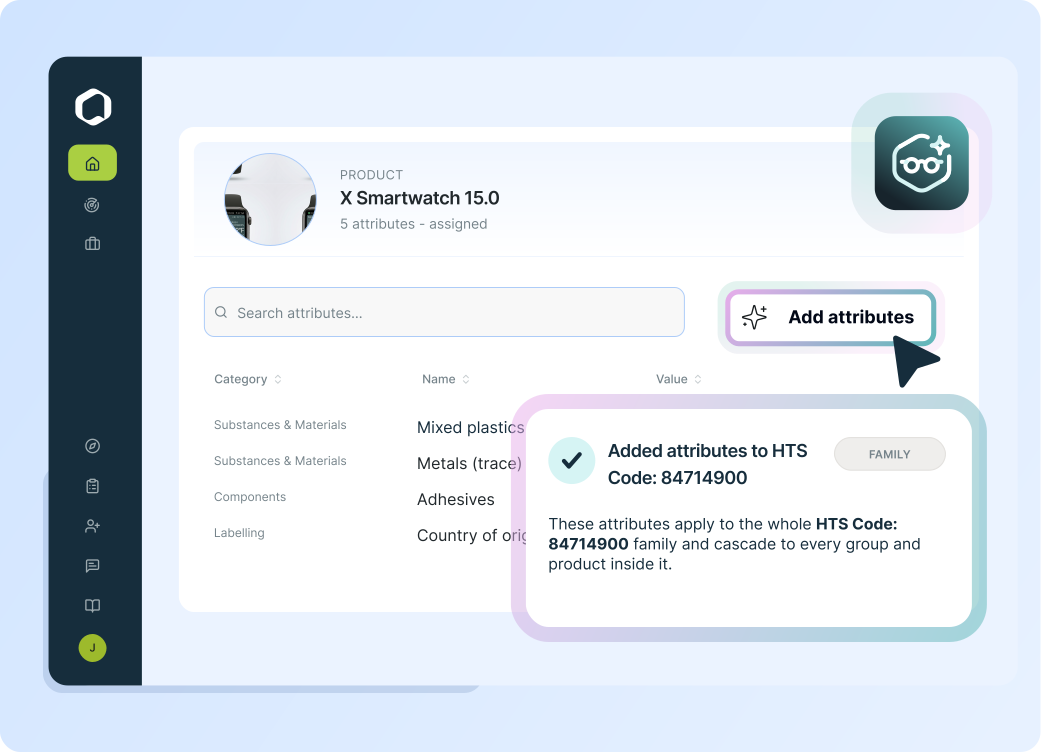
Assess Regulatory Applicability
Map Regulations to Your Products
Eliminate manual research and cut through regulatory noise by surfacing only the requirements relevant to your business, markets, and product categories.
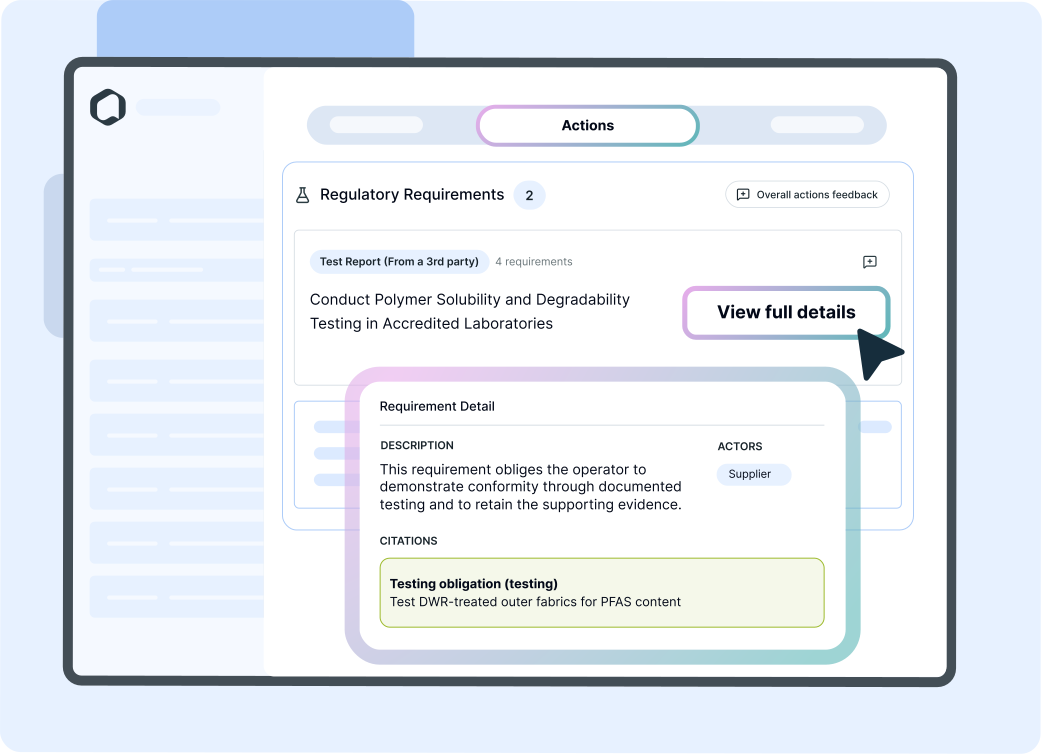
Identify Compliance Requirements
Turn complex regulations into clear, actionable tasks.
Give your teams instant clarity as AI agents transform dense legal and regulatory text into structured, easy-to-understand requirements.
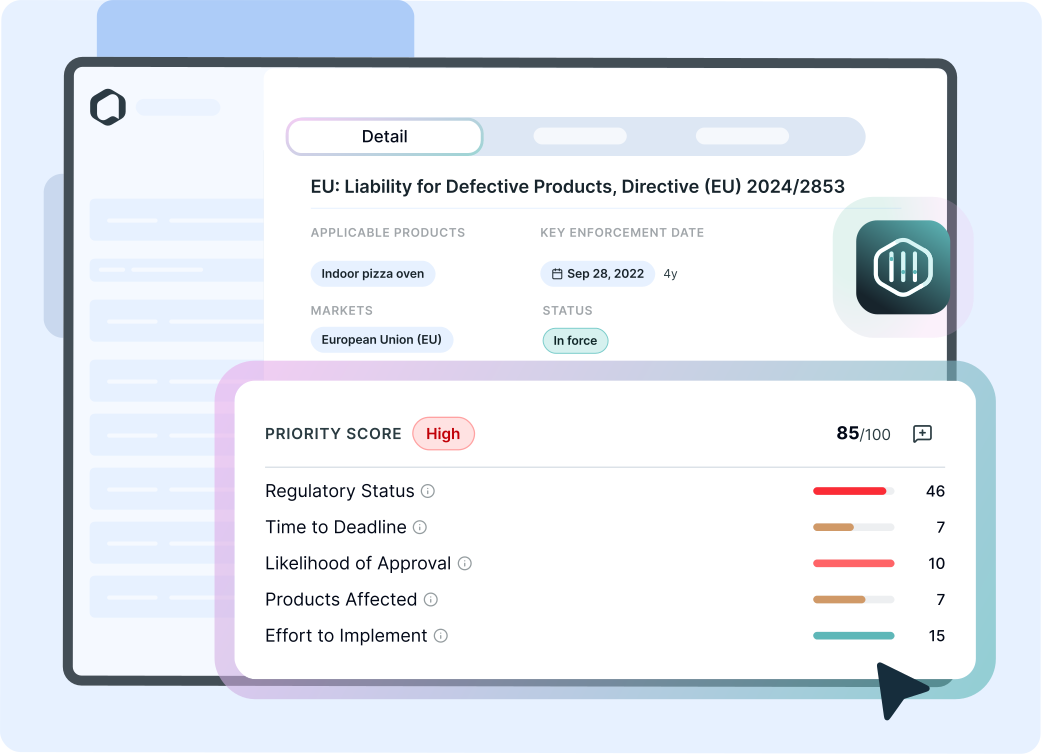
Prioritize Business Risk
Focus Where Risk Is Highest
Make faster, risk-informed decisions with confidence as AI agents automatically rank regulatory changes based on urgency, business impact, compliance deadlines, and product exposure.
Spotlight
Turning Compliance into Value


The State of Product
Compliance 2026
Discover how 500+ global leaders are shifting product compliance from a cost-centre into a strategic driver of growth, with key benchmarks like 69% of teams calling remediation their biggest challenge.
Frequently Asked Questions
-
Many jurisdictions require companies to report greenhouse gas emissions under national or regional frameworks. For example, the EU’s climate framework includes emissions reporting obligations linked to the EU ETS and climate neutrality targets, while Canada issued a notice for reporting GHGs for 2024 and 2025. These obligations may also be tied to national climate strategies under the Paris Agreement.
-
Restrictions and phase-down measures for fluorinated gases and ozone-depleting substances are governed by both international and regional rules. The Kigali Amendment to the Montreal Protocol requires HFC phase-down globally, while the EU has specific regulations on fluorinated greenhouse gases (EU 2024/573) and substances that deplete the ozone layer (EU 2024/59). Additional national measures may also restrict imports or production of HCFCs and HFCs in specific industries, such as refrigeration and foam manufacturing.
-
Climate laws and regulations can introduce obligations from product-, facility- and company-level reporting, payment of carbon fees, and prohibitions of certain ozone-depleting substances, to name a few. In this sense, the compliance mandate renders it necessary. However, it has become more important than ever that companies who integrate climate-related opportunities and risks in their survival strategies will have the upper hand in the longer term. State-led regulatory regimes often shape these through Climate Action Plans, Nationally Determined Contribution (NDC), and sector-specific incentives so it is equally important to keep up with such.
-
NDCs are country-specific promises on reducing greenhouse gas emissions under the UN Paris Agreement. Countries that are parties to it submit the voluntary commitment to the UN to outline their emissions reduction goals, mitigation and adaptation objectives, and sector-specific measures. It also includes, for many less developed countries, the estimated figure for financial support to achieve the goals. NDCs provide a great lens for all stakeholders to understand the state of the climate crisis in a given country as well as the country’s resolve in tackling it. Companies in particular can infer from the sector-specific information of how longer term climate policies may have an impact on their operations and strategies in the country.
-
These are essentially “Cap-and-Trade” programs on greenhouse gas emissions. Facilities that are heavy emitters of greenhouse gases are given a certain quota for their annual total emissions. They can choose to sell the unused quota if they underemit or purchase more from the market if they overemit. The model was first introduced in the EU under the EU ETS Directive 2003/87/EC and has influenced many global implementations including the California Mandatory Greenhouse Gas Emissions Reporting Program.
More
Regulatory
Topics
Climate Disclosures
Regulatory Focus Climate Disclosures 195 Countries Covered 28 Languages 670 Regulatory Sou…
Environmental, Social and Governance (ESG) Reporting
Regulatory Focus ESG Reporting 195 Countries Covered 28 Languages 729 Regulatory Sources W…
Carbon Footprint
Regulatory Focus Carbon Footprint 195 Countries Covered 28 Languages 393 Regulatory Source…
Chemicals In Products
Regulatory Focus Chemicals In Products 195 Countries Covered 10144 Regulatory …
Chemicals & EH&S: Environment
Regulatory Focus Chemicals & EH&S: Environment 195 Countries Covered 28 Languages …