

Regulatory Focus
Chemicals & EH&S: Environment
Chemicals & EH&S: Environment
195
Countries Covered
28
Languages
1771
Regulatory Sources
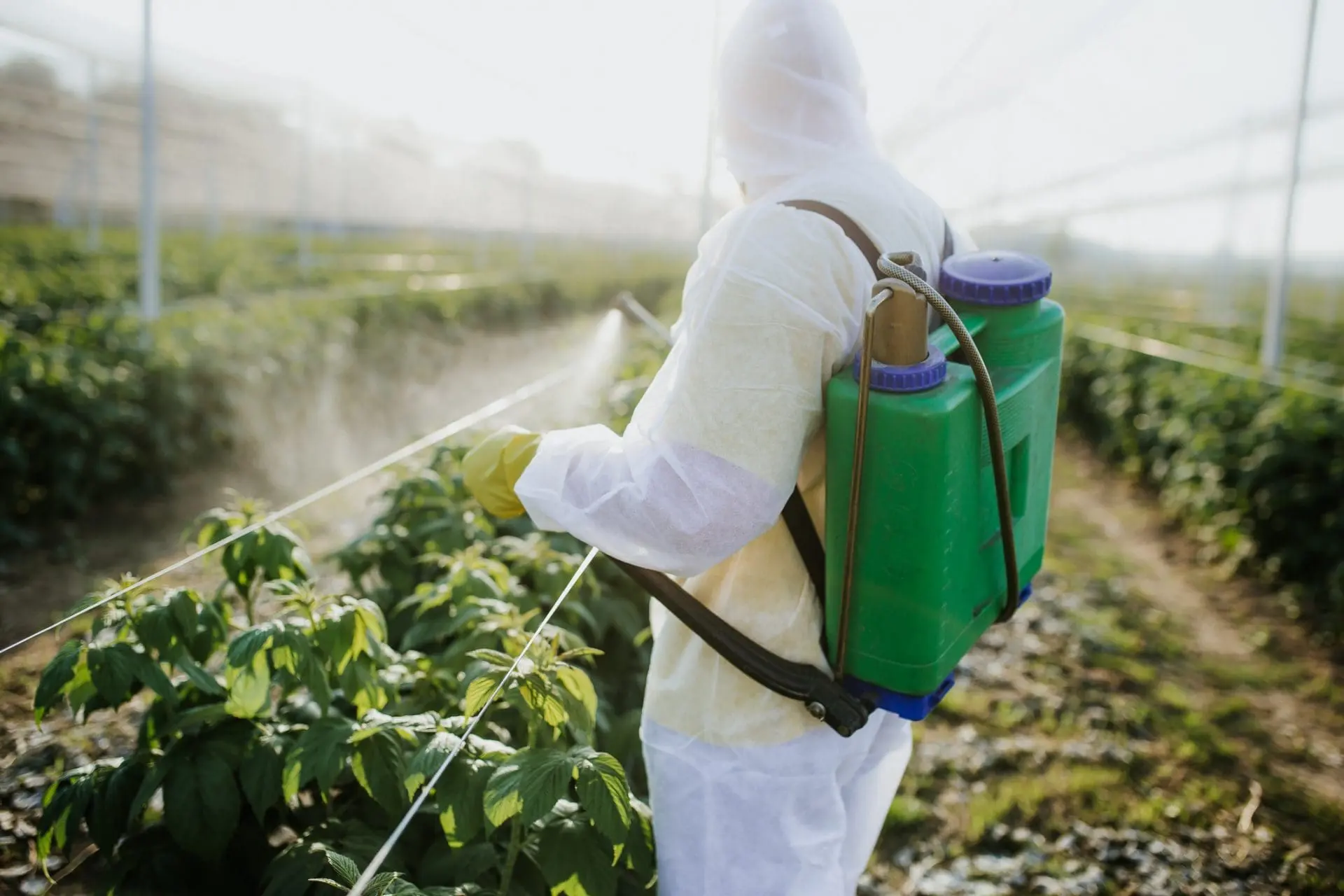
Environmental laws and regulations designed to prevent, control, and reduce harm to the environment and human health from the storage and use of hazardous substances.
Environmental chemical legislation imposes obligations on facilities to manage chemical use, prevent accidents, report storage and handling, and mitigate environmental and compliance risks.
Companies operating facilities are typically required to control and reduce the use of hazardous chemicals, ensure safe storage and handling practices, and implement measures to prevent accidental releases. Obligations often include monitoring and reporting chemical inventories and emissions, maintaining emergency response plans, and complying with permitting, inspection, and incident notification requirements to protect the environment and public health.
- Primary & secondary containment for hazardous materials;
- Drainage & runoff management;
- Protected hazardous material loading and unloading zones;
- Hazard communication & training;
- Hazardous materials management plan & reporting;
- Safety equipment & emergency preparedness.
Our coverage includes laws, rules, directives, and standards governing the management of hazardous chemicals at facilities, with a strong focus on environmental protection and accident prevention. These instruments typically address chemical authorization, reporting and disclosure, risk reduction, emergency planning, pollution control, and measures to prevent, manage, and respond to chemical incidents and major industrial accidents.
- Canada: Environmentally Sound Management of Chemical Substances in the Chemicals, Plastics and Rubber Sectors, Code of Practice, February 2024
- Canada: Authorisation for Manufacture and Import of Octanamide, N-hydroxy-, Ministerial Condition No. 21911, September 2024
- Canada: Authorisation for Manufacturing and Importing Sulfonic Acids, Branched Alkane Hydroxy and Branched Alkene, Sodium Salts, Ministerial Condition No. 21338, 2023
- France: National Trajectory for the Progressive Reduction of PFAS in Industrial Aqueous Discharges, Decree No. 2025-958
- France: Per- and Polyfluoroalkyl Substances (PFAS) Restrictions, Law No. 2025-188
- Texas (USA): Texas Risk Reduction Program, Rules, 30 TAC 350, 1999
- Texas (USA): Texas Risk Reduction Program, Rules, 30 TAC 350, 1999 – Amendment – (on §350.76 concerning Approaches for Specific Chemicals of Concern to Determine Human Health Protective Concentration Levels) Rules, 30 TAC §350.76, 2025
- USA: Hazardous Chemical Reporting, Rules, 40 CFR 370, 1987
- USA: Toxic Chemical Release Reporting, Rule, 40 CFR 372, 1988
- USA: Toxic Chemical Release Reporting, Rule, 40 CFR 372, 1988 – Amendment – (on Listing of Diisononyl Phthalate) Final Rule, 88 FR 45089, 2023
- USA: Consolidated List of Chemicals Subject to EPCRA, CERCLA, and Clean Air Act, EPA 550-B-22-001, December 2022
- USA: Emergency Planning and Notification for Chemical Storage and Releases, Rules, 40 CFR 355, 2008
- USA: Chemical Accident Prevention Provisions, Rule, 40 CFR 68, 1994
- China: New Pollutants under Key Control (2023 Edition), Order No. 28, 2022
- China: Action Plan for the Control of New Pollutants, Notice No. 15, 2022
- China: Measures for the Administration of Safe Use Permit for Hazardous Chemicals, Order No. 57, 2012
- China: Management Plan on Environmental Risk Prevention and Control of Major Environmental Controlled Hazardous Chemicals, Notice No. 75, 2013
- China: Comprehensive Management Scheme of Dangerous Chemicals, Notice No. 88, 2016
- South Korea: Regulations on Preparation of Chemical Accident Prevention Management Plan, Notice No. 2022-9
- UK: Persistent Organic Pollutants (Amendment) (EU Exit) Regulation, SI No. 1293/2022
- EU: Control of Major-Accident Hazards Involving Dangerous Substances, Directive 2012/18/EU
- UK: Control of Major Accident Hazards, Regulations, SI 2015/483
- Kenya: National Chemicals Policy, January 2022
- Slovak Republic: Fire Safety Requirements for Flammable Liquids, Decree No. 38/2026







Automate the work of managing regulatory change.
Let AI agents do the heavy lifting of monitoring regulations, mapping requirements to products, extracting obligations, and surfacing the risks that need attention first.
Monitor Product Compliance
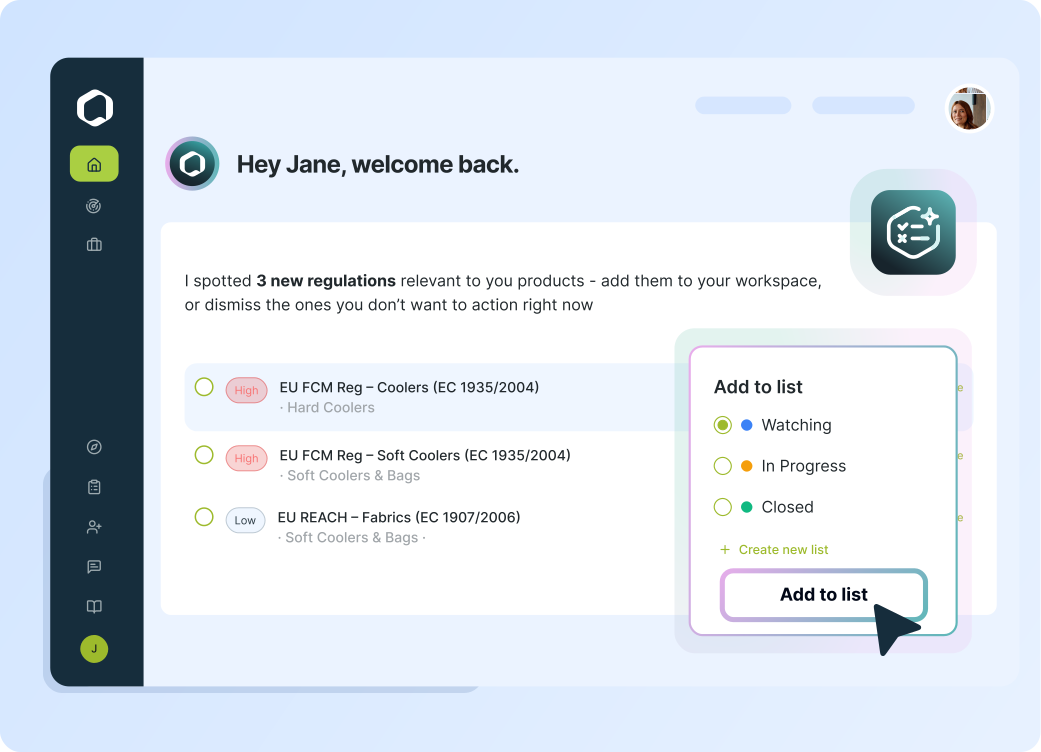
Stay Ahead of Regulatory Change
Get early visibility into changes that could affect your products, supply chain, or market access—so you can act proactively, not reactively.
Assess Regulatory Applicability
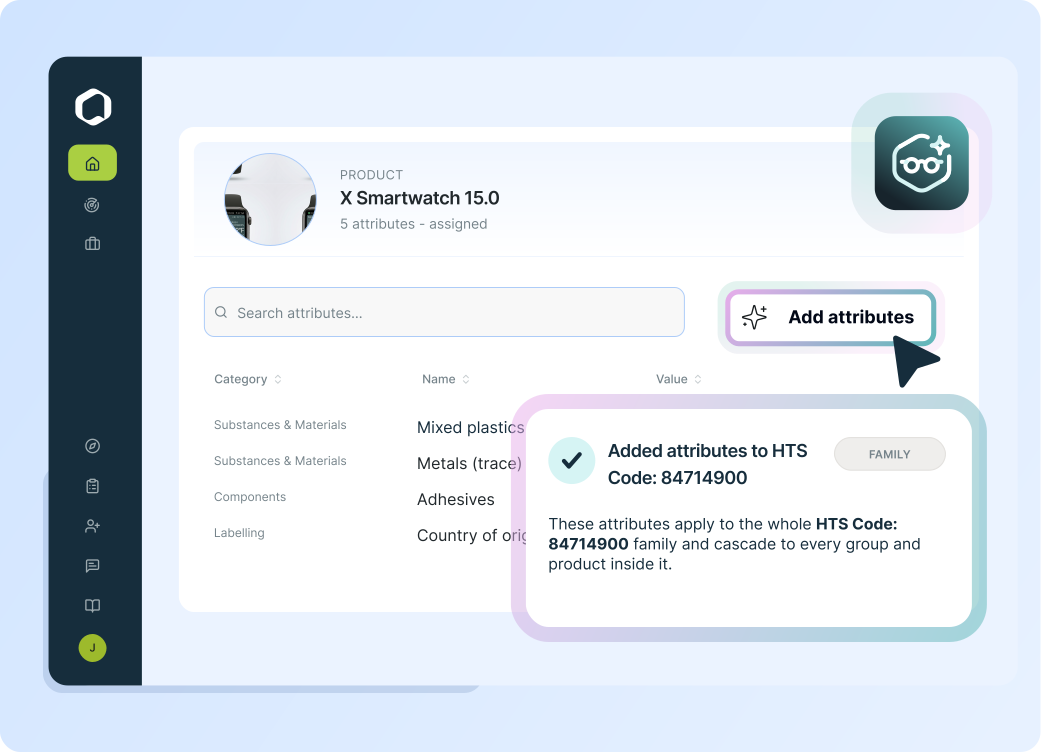
Map Regulations to Your Products
Eliminate manual research and cut through regulatory noise by surfacing only the requirements relevant to your business, markets, and product categories.
Identify Compliance Requirements
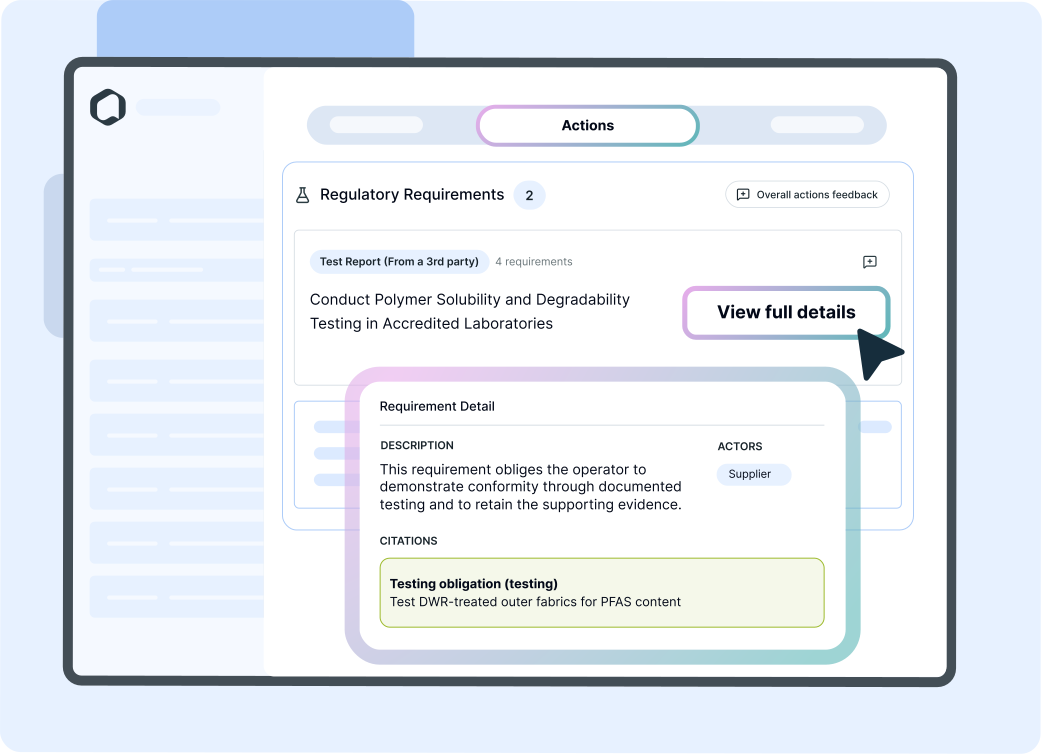
Turn complex regulations into clear, actionable tasks.
Give your teams instant clarity as AI agents transform dense legal and regulatory text into structured, easy-to-understand requirements.
Prioritize Business Risk
Focus Where Risk Is Highest
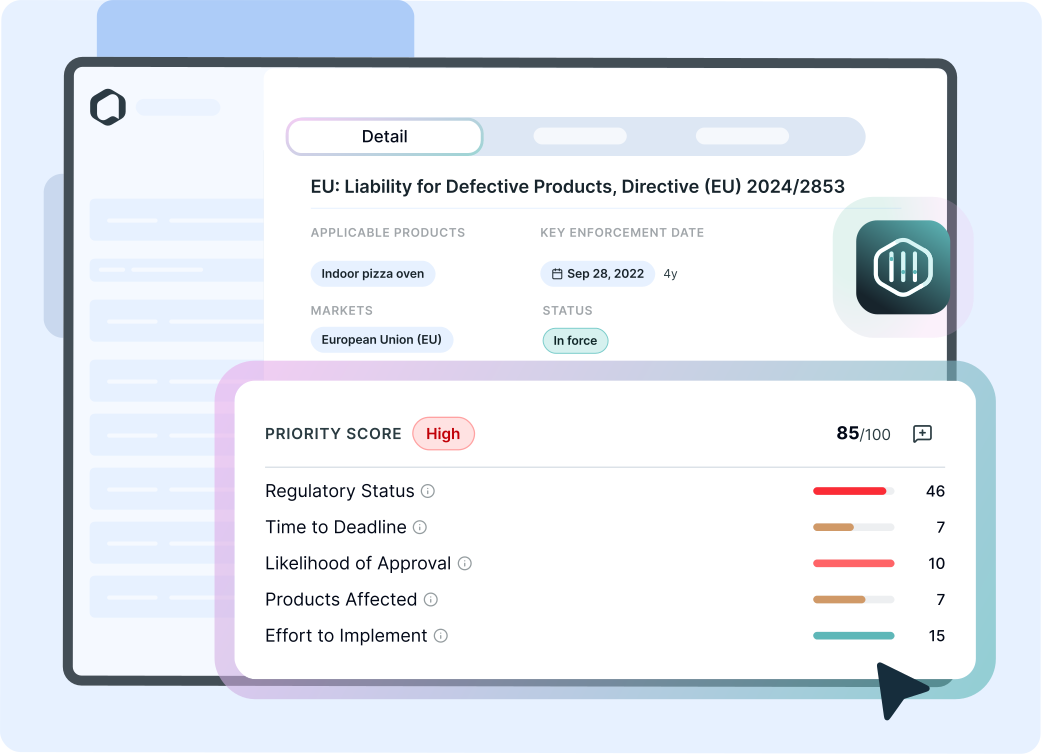
Make faster, risk-informed decisions with confidence as AI agents automatically rank regulatory changes based on urgency, business impact, compliance deadlines, and product exposure.
Spotlight
Turning Compliance into Value


The State of Product
Compliance 2026
Discover how 500+ global leaders are shifting product compliance from a cost-centre into a strategic driver of growth, with key benchmarks like 69% of teams calling remediation their biggest challenge.
Frequently Asked Questions
-
Facilities that manufacture, use, store, or handle hazardous chemicals—such as factories, warehouses, laboratories, and large commercial sites—are commonly covered. Obligations are usually triggered by the presence, quantity, or risk profile of regulated chemicals and activities conducted on-site.
-
Companies are typically required to manage chemical risks through reporting and disclosure, safe storage and handling, accident prevention and emergency planning, and measures to prevent or mitigate environmental releases. Many regimes also require ongoing monitoring, incident notification, and implementation of risk reduction or control programs.
-
A Chemical Hygiene Plan is your facility’s “playbook” for handling hazardous substances safely. It must include:
- Standard Operating Procedures (SOPs) – Clear instructions for handling specific chemicals.
- Criteria for Control Measures – When to use fume hoods, PPE, or specialized ventilation.
- Information and Training – Ensuring every employee knows the risks and the “how-to” of safety.
- Medical Consultation – Provisions for exams if an exposure occurs.
-
Storing chemicals alphabetically is a common mistake that can lead to fires or toxic gas releases (e.g., storing Ammonia next to Bleach). Instead, group them by Hazard Class:
- Flammables – Store in dedicated fire-rated cabinets.
- Oxidizers – Keep away from flammables and organic materials.
- Acids and Bases – Store separately; even better, keep organic acids away from inorganic acids.
- Water-Reactives – Keep in a dry, cool area away from any plumbing or sprinkler systems.
-
Regulatory standards (like OSHA’s Hazard Communication Standard) typically require training upon initial assignment, when a new hazard is introduced, and periodically (“best practice” facilities run annual refreshers to prevent complacency).
More
Regulatory
Topics
EH&S: Environment
Regulatory Focus EH&S: Environment 195 Countries Covered 28 Languages 19838 Regulatory…
Chemicals Management Regulatory Compliance
Regulatory Focus Chemicals Management 195 Countries Covered 28 Languages 5979 Regulatory S…
Comply with Chemical Safety Requirements
Regulatory Focus Chemicals and EH&S: Occupational Health & Safety 195 Countries Co…