

Regulatory Focus
Electromagnetic Compatibility (EMC) Compliance
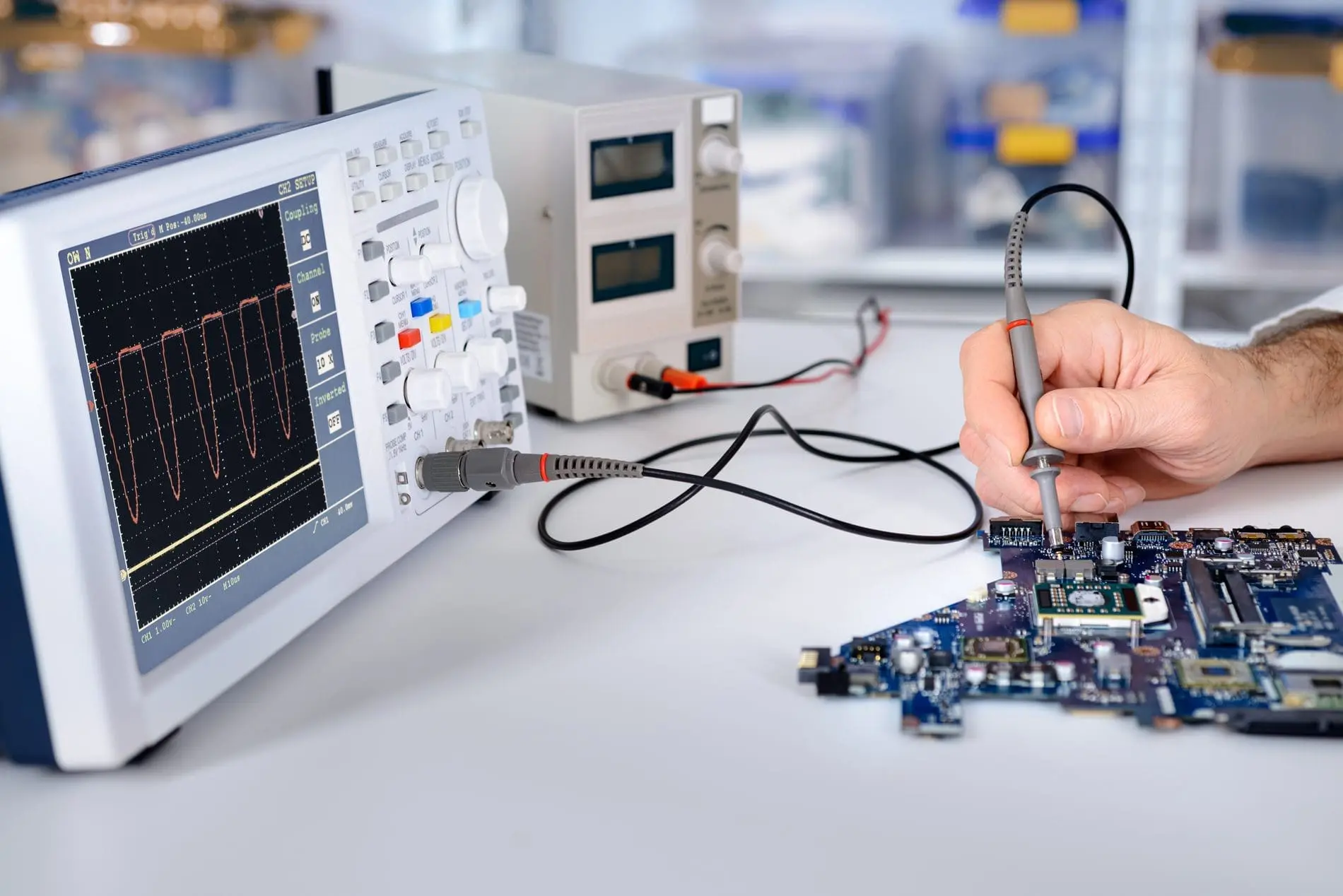
Electromagnetic Compatibility (EMC)
195
Countries Covered
28
Languages
1440
Regulatory Sources
Electromagnetic compatibility regulations and mandatory standards apply to electrical and electronic equipment that emits or is affected by electromagnetic radiation. They ensure products do not cause or suffer from harmful interference, covering both emissions and immunity across the device lifecycle, including testing, documentation, and compliance marking.
Electromagnetic compatibility requirements ensure electrical and electronic devices do not emit disruptive electromagnetic interference and remain immune to reasonable external interference, affecting product design, testing, and documentation obligations. Non-compliance risks include malfunction, interference with other devices, shipment delays, and recalls.
EMC compliance typically requires companies to design and manufacture electrical and electronic equipment to limit electromagnetic emissions and ensure sufficient immunity to interference in its intended use. This usually involves testing against harmonized standards (often IEC/CISPR-based), maintaining technical documentation, and applying conformity markings such as CE, UL, or CSA to demonstrate compliance.
Typical requirements include:
- Certification
- Testing
- Approvals
- User Instructions
- Labelling
Our regulatory content in C2P covers the core EMC directives and technical regulations that govern emissions, immunity, and certification requirements for electrical and electronic equipment. We include major frameworks such as the EU EMC Directive and US FCC Part 15, alongside national regulations from key manufacturing and export markets like China, South Korea, and Vietnam.
- USA: FCC Radio Frequency Devices Regulations, 47 CFR Part 15, 1989
- EU: Electromagnetic Compatibility, Directive 2014/30/EU
- China: Electromagnetic Compatibility (EMC) – Generic Standards – Part 3: Emission Standard for Equipment in Residential Environments, Standard GB 17799.3-2023
- Vietnam: Approving National Technical Regulation on Electromagnetic Compatibility for Electrical and Electronic Equipment, Circular No 11/2012/TT-BKHCN
- Vietnam: Approving National Technical Regulation on Electromagnetic Compatibility for Radio Communication Equipment, Circular 22/2022/TT-BTTTT
- South Korea: Electromagnetic Compatibility Under the Radio Act, Notice No. 2011-5




Intelligent Resources
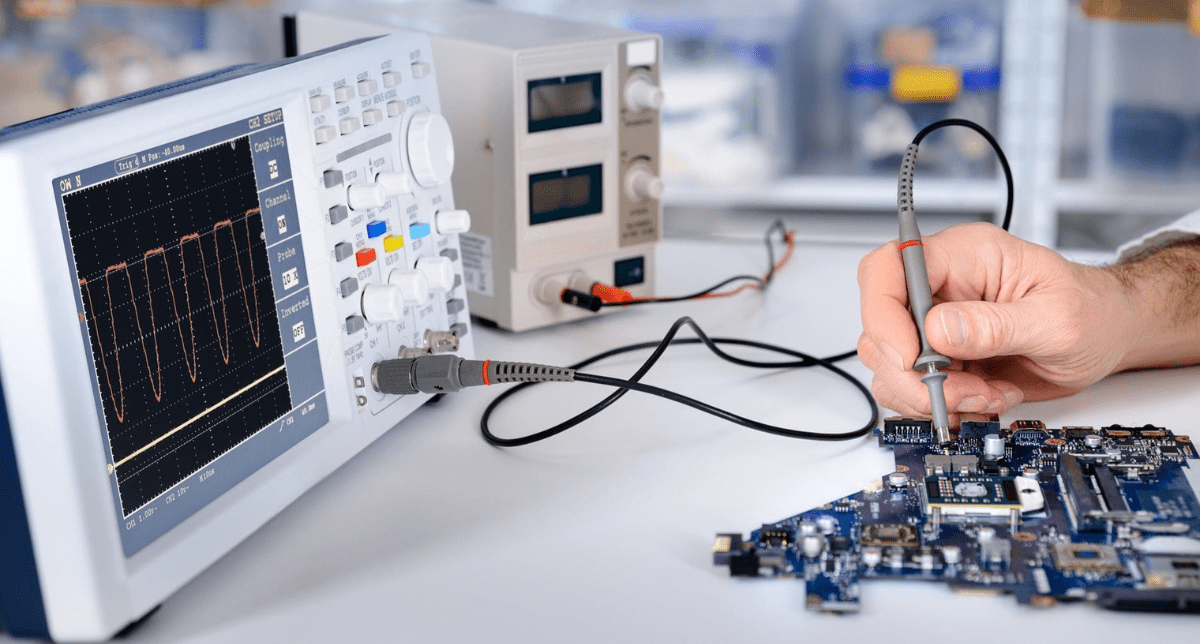



Automate the work of managing regulatory change.
Let AI agents do the heavy lifting of monitoring regulations, mapping requirements to products, extracting obligations, and surfacing the risks that need attention first.
Monitor Product Compliance
Stay Ahead of Regulatory Change
Get early visibility into changes that could affect your products, supply chain, or market access—so you can act proactively, not reactively.

Assess Regulatory Applicability
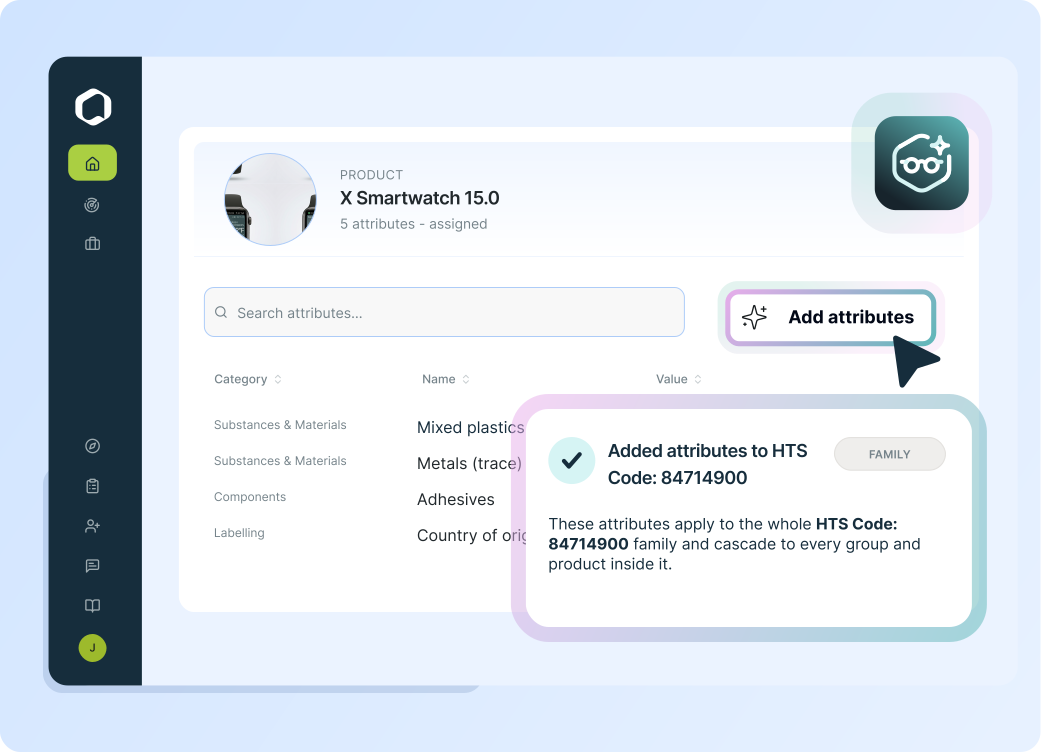
Map Regulations to Your Products
Eliminate manual research and cut through regulatory noise by surfacing only the requirements relevant to your business, markets, and product categories.
Identify Compliance Requirements
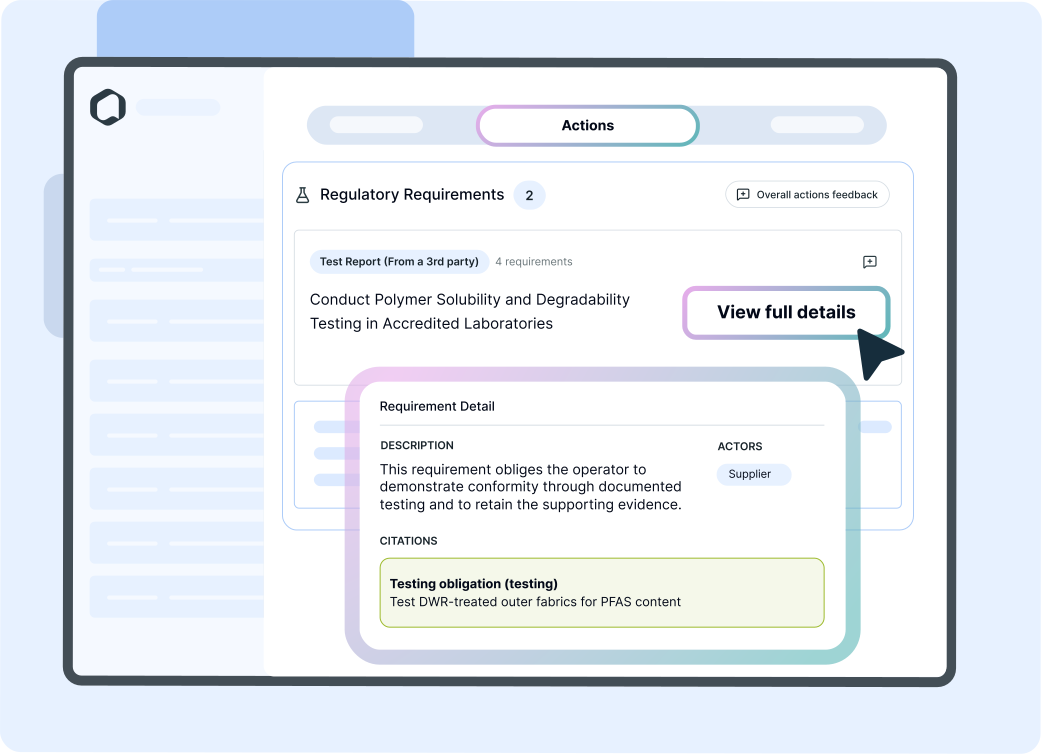
Turn complex regulations into clear, actionable tasks.
Give your teams instant clarity as AI agents transform dense legal and regulatory text into structured, easy-to-understand requirements.
Prioritize Business Risk
Focus Where Risk Is Highest
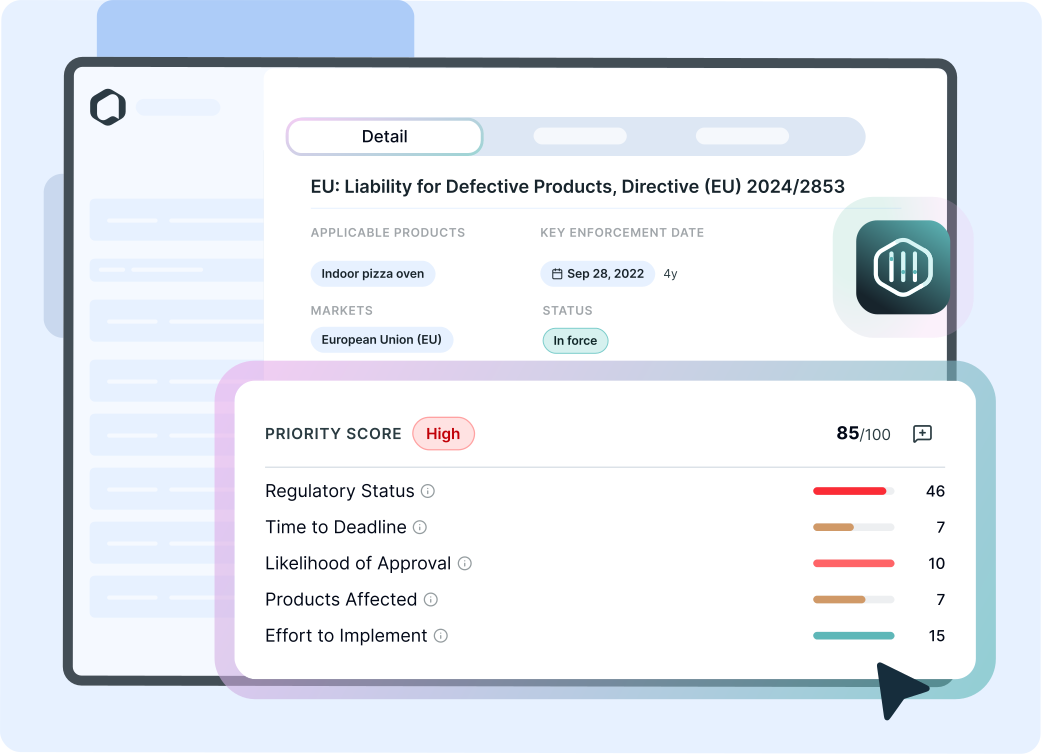
Make faster, risk-informed decisions with confidence as AI agents automatically rank regulatory changes based on urgency, business impact, compliance deadlines, and product exposure.
Spotlight
Turning Compliance into Value


The State of Product
Compliance 2026
Discover how 500+ global leaders are shifting product compliance from a cost-centre into a strategic driver of growth, with key benchmarks like 69% of teams calling remediation their biggest challenge.
Frequently Asked Questions
-
Electrical and electronic products are generally required to meet electromagnetic emission and immunity requirements.
-
EMC compliance requirements are typically set by major regulatory frameworks such as the EU Electromagnetic Compatibility Directive (2014/30/EU) and the US FCC Radio Frequency Devices Regulations (47 CFR Part 15). National regulations also apply in key markets, such as Vietnam’s Circular No. 11/2012/TT-BKHCN, South Korea’s Radio Act Notice No. 2011-5, and China’s CQC12-448100-2009 for household appliances. Compliance is generally demonstrated through testing against harmonized standards (often IEC/CISPR) and applying relevant conformity marks.
-
The CISPR/IEC standards are used in the EU and many smaller jurisdictions to show compliance, while the US and China have national regulatory standards covering EMC requirements.
-