Certification, Due Diligence and Declarations: Legal Instruments Addressing Deforestation and Illegal Logging in Global Supply Chains
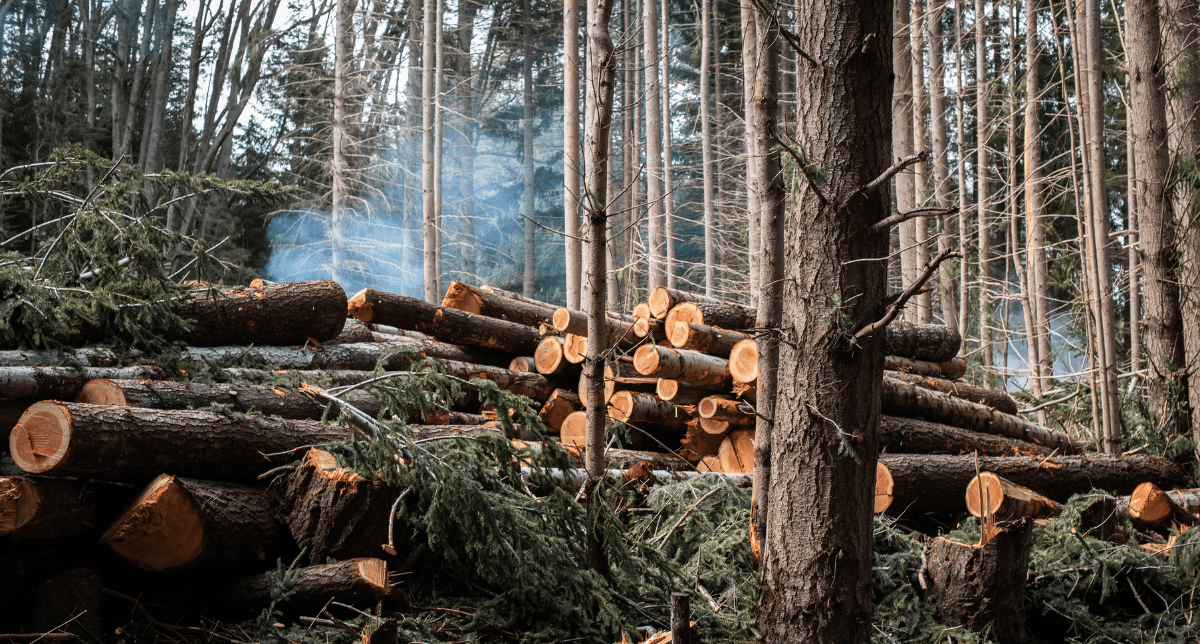

Deforestation and Illegal Logging in Global Supply Chains – Whitepaper Overview
Regulations governing deforestation and illegal logging are rapidly expanding in scope and stringency worldwide. For companies sourcing or trading forest-based products, staying ahead of these evolving legal requirements is essential to ensure continued compliance, protect market access, and maintain responsible supply chains.
This whitepaper provides a concise overview of national laws targeting deforestation and illegal logging, emphasizing regulations that require supply chain due diligence and certification schemes. It includes a comparative analysis in table format of regulatory scope and core compliance requirements, focusing on how these frameworks promote responsible sourcing and traceability.
What it Covers:
This whitepaper gives expert insights into the illegal logging and deforestation compliance landscape in the following geographies:
- European Union: EU Timber Regulation, EU Deforestation Regulation
- United Kingdom: The Timber and Timber Products (Placing on the Market) Regulation 2013, Environment Act 2021
- Switzerland: Timber Trade Ordinance 2021, Amended Environmental Protection Act 2019
- Australia: Illegal Logging Prohibition Act 2012 (Amended in 2024), Illegal Logging Prohibition Rules 2024
- United States: Lacey Act 2008
- Indonesia: Timber Legality Verification System and Sustainability (SVLK)
- Japan: Clean Wood Act (Revised in 2023)
- South Korea: Sustainable Use of Timber Act 2012 (Revised in 2017 & 2024)
*This whitepaper was originally published on 2nd September, 2025. Further regulatory developments may have occurred after publication. To keep up-to-date with the latest compliance news, sign up to our newsletter.
Authors


Hannah Janknecht
Senior Regulatory Compliance Specialist & Team Lead
Global regulatory compliance specialist and native German speaker with expertise in textile compliance, sustainable supply chains, ESG reporting, and deforestation.