

Regulatory Focus
Comply with the Globally Harmonized System (GHS)
Globally Harmonized System (GHS)
195
Countries Covered
28
Languages
1130
Regulatory Sources
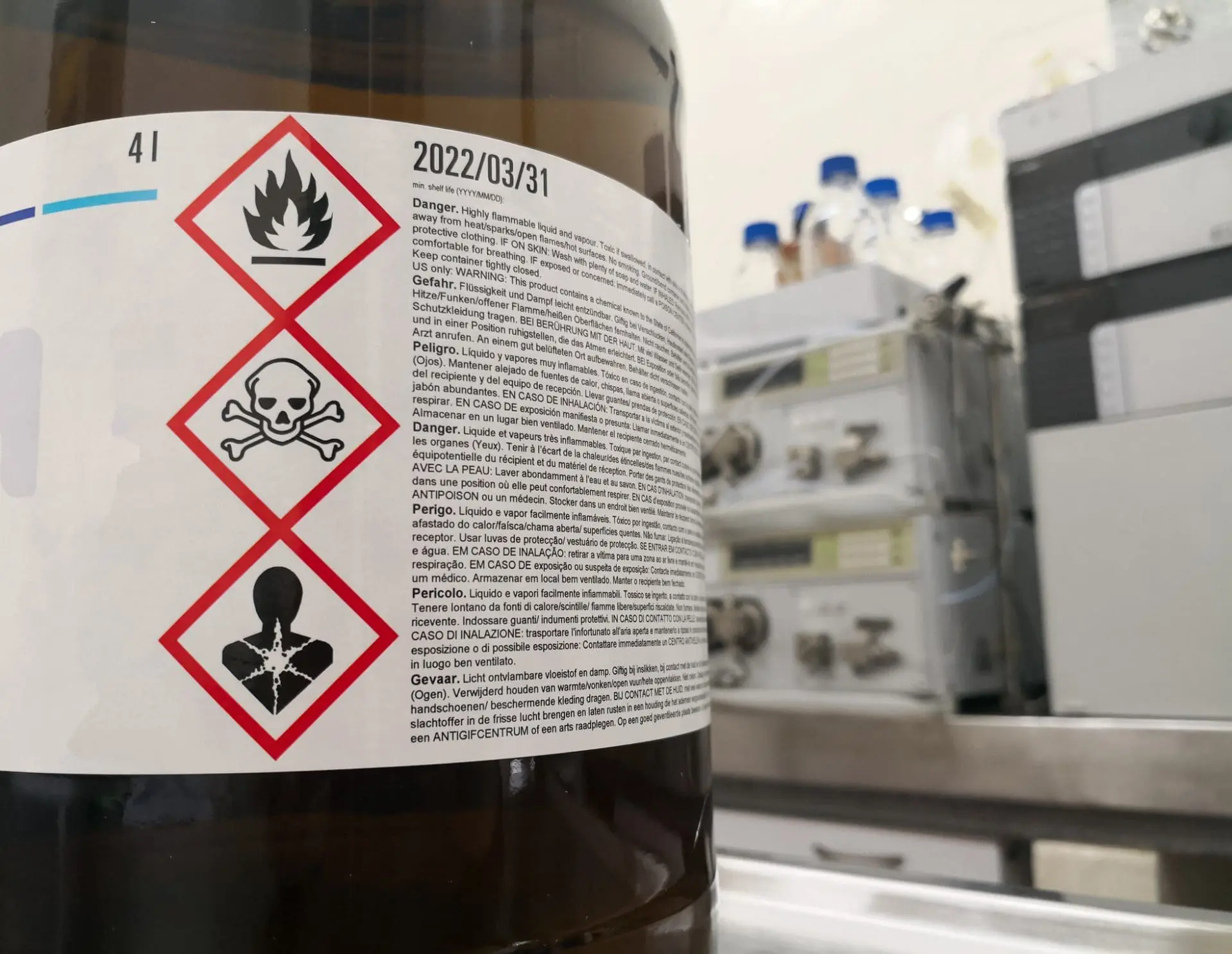
The Globally Harmonized System (GHS) standardizes how chemicals are classified and labeled worldwide, covering hazard classification, labels, pictograms, and safety data sheets to ensure consistent communication of chemical risks across supply chains and jurisdictions.
Globally Harmonized System Explained
Standardizes classification and labeling of chemical hazards, requiring companies to correctly classify substances, apply harmonized labels and SDSs, and manage compliance risks across global markets.
Companies must classify substances and mixtures according to defined hazard criteria and communicate those hazards through standardized labels, pictograms, signal words, and safety data sheets. They also need to keep classifications and documentation up to date and ensure hazard information is consistently communicated throughout the supply chain and across markets where GHS is implemented.
- Reporting – Obligation to notify or submit classification information, poison centre notifications, or other hazard-related data to competent authorities where required by national GHS-implementing legislation.
- Testing – Requirement to generate or evaluate toxicological, ecotoxicological, physical hazard, or other scientific data necessary to determine correct hazard classification under applicable GHS criteria.
- Providing consumer information – Obligation to communicate hazard and precautionary information to consumers where GHS implementation extends beyond workplace chemicals to consumer products.
- Providing product information – Requirement to prepare and supply compliant Safety Data Sheets (SDS) and ensure downstream users receive accurate and updated hazard communication documentation.
- Marking/labelling – Obligation to classify substances and mixtures and apply required GHS label elements, including hazard pictograms, signal words, hazard statements, and precautionary statements.
- Retention/Destruction of records – Requirement to maintain classification documentation, SDS versions, supporting test data, and related compliance records for defined retention periods under national law.
We cover international frameworks and national implementations that adopt the UN GHS and translate it into binding classification, labeling, and hazard communication obligations. This includes chemical safety, workplace health and safety, and product labeling regulations that specify how hazards must be classified, documented, and communicated across markets.
- UN: Globally Harmonized System (GHS) of Classification and Labelling of Chemicals, Rev. 11, 2025
- EU: Classification, Labelling and Packaging of Substances and Mixtures, Regulation (EC) No 1272/2008
- Australian Model Work Health and Safety Regulations, 2011
- Argentina: Globally Harmonised System of Classification and Labelling of Chemicals, Resolution 801/2015
- Brazil: ABNT NBR 14725:2023 Chemical Products – Information on Safety, Health and Environment – General aspects of GHS, Classification, SDS and Labelling, Standard, Version 2:2025
- USA: Implementation of Globally Harmonized System of Classification and Labelling of Chemicals (GHS), Hazard Communication Standard, Final Rule, 77 FR 17574, March 2012
- China: Dangerous Chemicals Regulations, Order No. 591, 2011
- Korea: Standards on Classification and Labelling of Chemical Substances, Notice No. 96-12
- Japan: Classification of Chemicals based on Globally Harmonized System of Classification and Labelling of Chemicals (GHS), Standard JIS Z 7252:2019
- Japan: Hazard Communication of Chemicals Based on GHS – Labelling and Safety Data Sheets (SDS), Standard JIS Z 7253:2019
- New Zealand: Hazardous Substances and New Organisms (HSNO) Act, 1996
- Norway: Classification, Labelling and Packaging (CLP) of Substances and Mixtures, Regulation No. 622, 2012
- Turkey: Classification, Labeling and Packaging (CLP) of Substances and Mixtures, Draft Regulation, September 2018
- Taiwan: Labeling and Hazard Communication of Hazardous Chemicals , Regulation, 2007
- Philippines: Implementing Globally Harmonised System of Classification and Labelling of Chemicals, Administrative Order No. 9, 2015
- South Africa: Regulations for Hazardous Chemicals Agents, Notice No. 280, 2021
- Ukraine: Approving Technical Regulations on Classification, Labelling and Packaging of Chemical Products, Resolution No. 539, May 2024
- El Salvador: Adopting the Globally Harmonized System of Classification and Labelling of Chemicals (GHS), Executive Decree No. 1, 2025
- Vietnam: Chemicals, Law No. 69/2025/QH15
- Peru: Approving Regulation of Legislative Decree No. 1570 on Integral Management of Chemical Substances, Supreme Decree No. 005-2026-MINAM






Automate the work of managing regulatory change.
Let AI agents do the heavy lifting of monitoring regulations, mapping requirements to products, extracting obligations, and surfacing the risks that need attention first.
Monitor Product Compliance
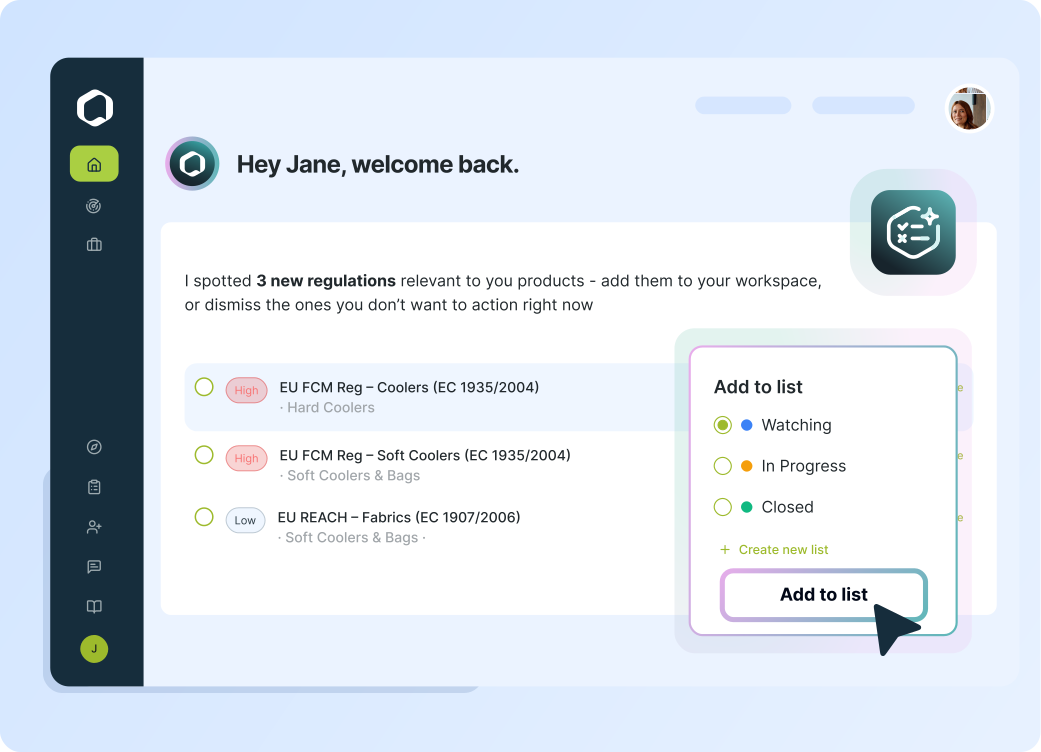
Stay Ahead of Regulatory Change
Get early visibility into changes that could affect your products, supply chain, or market access—so you can act proactively, not reactively.
Assess Regulatory Applicability
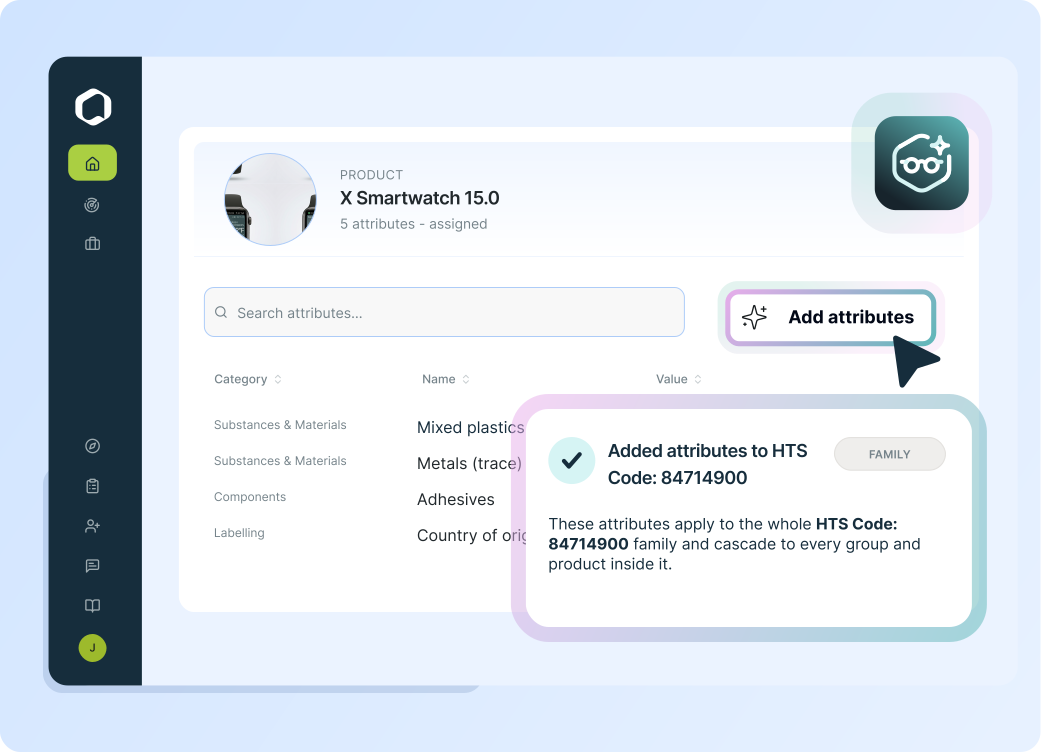
Map Regulations to Your Products
Eliminate manual research and cut through regulatory noise by surfacing only the requirements relevant to your business, markets, and product categories.
Identify Compliance Requirements
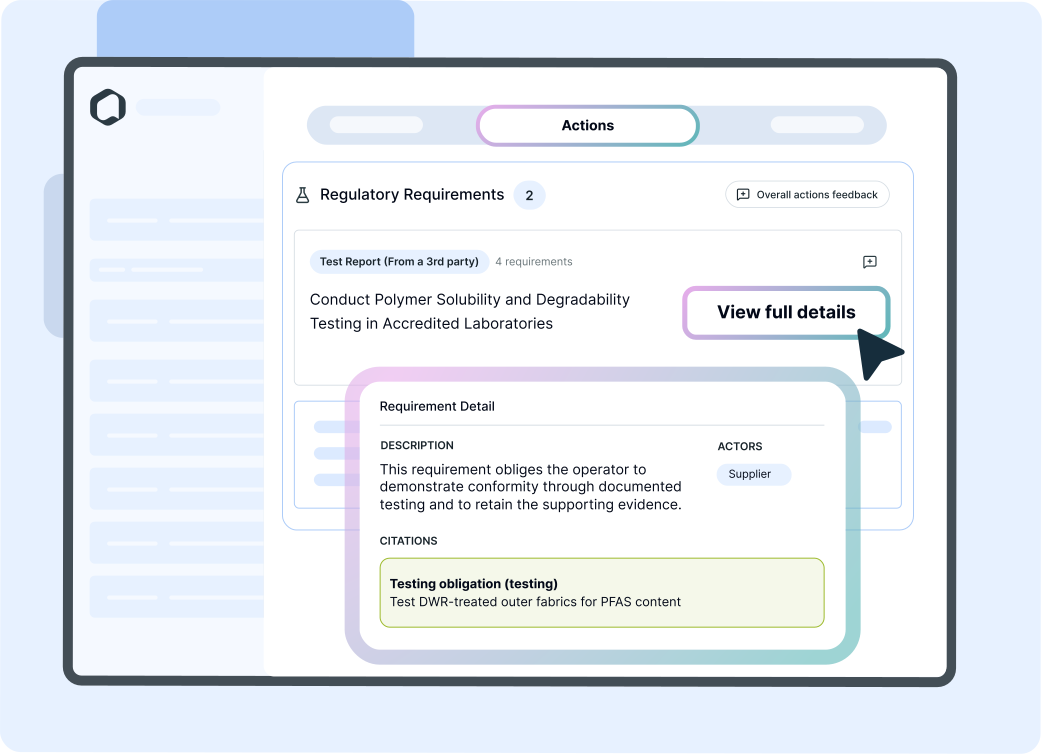
Turn complex regulations into clear, actionable tasks.
Give your teams instant clarity as AI agents transform dense legal and regulatory text into structured, easy-to-understand requirements.
Prioritize Business Risk
Focus Where Risk Is Highest
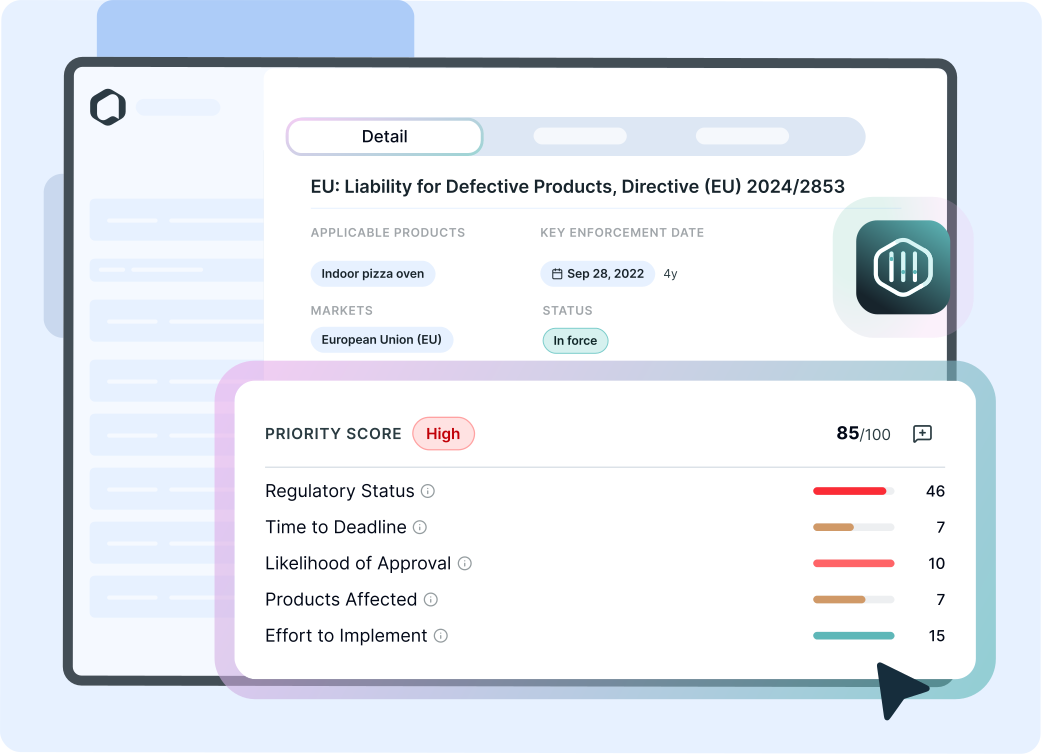
Make faster, risk-informed decisions with confidence as AI agents automatically rank regulatory changes based on urgency, business impact, compliance deadlines, and product exposure.
Spotlight
Turning Compliance into Value


The State of Product
Compliance 2026
Discover how 500+ global leaders are shifting product compliance from a cost-centre into a strategic driver of growth, with key benchmarks like 69% of teams calling remediation their biggest challenge.
Frequently Asked Questions
-
The GHS itself is not legally binding. Compliance obligations arise through national or regional regulations that adopt the GHS, such as the EU CLP Regulation, the U.S. OSHA Hazard Communication Standard, or Brazil’s ABNT NBR 14725, each with jurisdiction-specific requirements.
-
Companies must classify substances and mixtures according to GHS hazard criteria, prepare compliant labels and Safety Data Sheets (SDS), and ensure hazard information is accurately communicated to downstream users in line with local implementing laws.
-
No. While the Globally Harmonized System of Classification and Labelling of Chemicals provides a unified framework (the “Purple Book”), countries adopt different revisions and may selectively implement hazard classes or categories.
As a result, companies may face:
- Different hazard classification outcomes
- Variations in label elements or supplemental statements
- Divergent Safety Data Sheet (SDS) formatting requirements
Compliance must therefore be assessed jurisdiction by jurisdiction.
-
Not necessarily. Some jurisdictions implement GHS across multiple sectors (industrial, consumer, agriculture), while others limit application primarily to workplace hazard communication.
Sector-specific frameworks (e.g., pesticides, pharmaceuticals, cosmetics) may incorporate GHS principles but are regulated under separate legislation. Companies must determine whether GHS obligations apply based on both sector scope and national implementation.
-
GHS-based regulations commonly trigger:
- Marking/labelling obligations (hazard pictograms, signal words, precautionary statements)
- Providing product information (Safety Data Sheets)
- Reporting or notification to competent authorities in certain jurisdictions
- Retention of classification and SDS records
Unlike broader chemicals management frameworks, GHS systems generally focus on hazard communication, not pre-market registration of substances.