

Regulatory Focus
RoHS: Restriction of Hazardous Substances
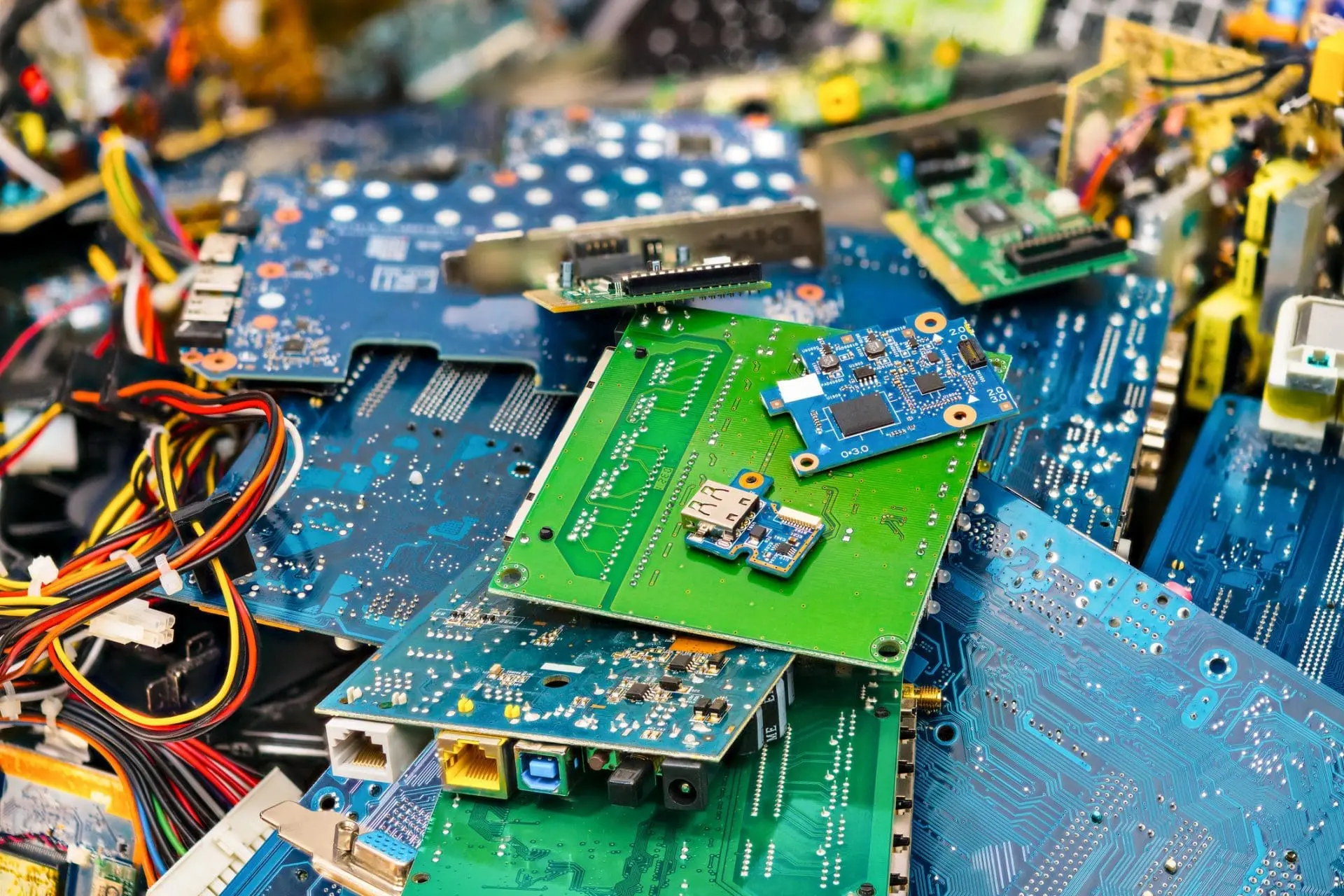
RoHS
195
Countries Covered
28
Languages
Restrictions on hazardous substances in electrical and electronic equipment regulations limit the use of chemicals such as lead, mercury, cadmium, hexavalent chromium, and certain flame retardants, subject to some exempt applications, and prescribe compliance obligations to help protect human health and the environment throughout product lifecycles.
Restricts hazardous substances in electrical and electronic products, requiring companies to monitor their supply chains, navigate exemptions and demonstrate compliance.
Companies must ensure restricted substances do not exceed maximum concentration limits in homogeneous materials and that products fall within scope or qualify for valid exemptions. Compliance typically involves technical documentation, supplier controls, conformity assessment, declarations of conformity, and ongoing monitoring of amendments and exemptions.
- Perform material and component testing
- Manage exemptions
- Draw up and retain technical documentation
- Draw up declaration of conformity
- Affix conformity marking
- Ensure traceability of EEE
We cover global and regional restrictions on hazardous substances applicable to electrical and electronic equipment, including substance bans, exemptions, scope definitions, and enforcement mechanisms. Our coverage spans binding regulations, implementing measures, and aligned standards that support testing, documentation, and conformity assessment across markets.
- EU: Restriction of Hazardous Substances (RoHS) Directive 2011/65/EU
- China: Administrative Measures for the Restriction of Hazardous Substances in Electrical and Electronic Products, Order No. 32, 2016
- Brazil: Restriction of Use of Certain Hazardous Substances in Electrical and Electronic Equipment, Draft Resolution, July 2025
- South Korea: Enforcement Ordinance on the Recycling of Electrical and Electronic Equipment and Vehicles Act 2007, Presidential Decree No. 20480, 2007
- India: E-Waste (Management) Rules, G.S.R. 801(E), 2022
- Saudi Arabia: Restriction on the Use of Hazardous Substances in Electrical and Electronic Equipment, Technical Regulation, July 2021
- United Arab Emirates: Restrictions on the Use of Hazardous Materials in Electronic and Electrical Devices Control Scheme, Regulation No. 10, 2017
- Uzbekistan: Approving Technical Regulations on Restricting the Use of Hazardous Substances in Electrical and Electronic Products, Resolution No. 517, 2025



Intelligent Resources



Automate the work of managing regulatory change.
Let AI agents do the heavy lifting of monitoring regulations, mapping requirements to products, extracting obligations, and surfacing the risks that need attention first.
Monitor Product Compliance
Stay Ahead of Regulatory Change
Get early visibility into changes that could affect your products, supply chain, or market access—so you can act proactively, not reactively.
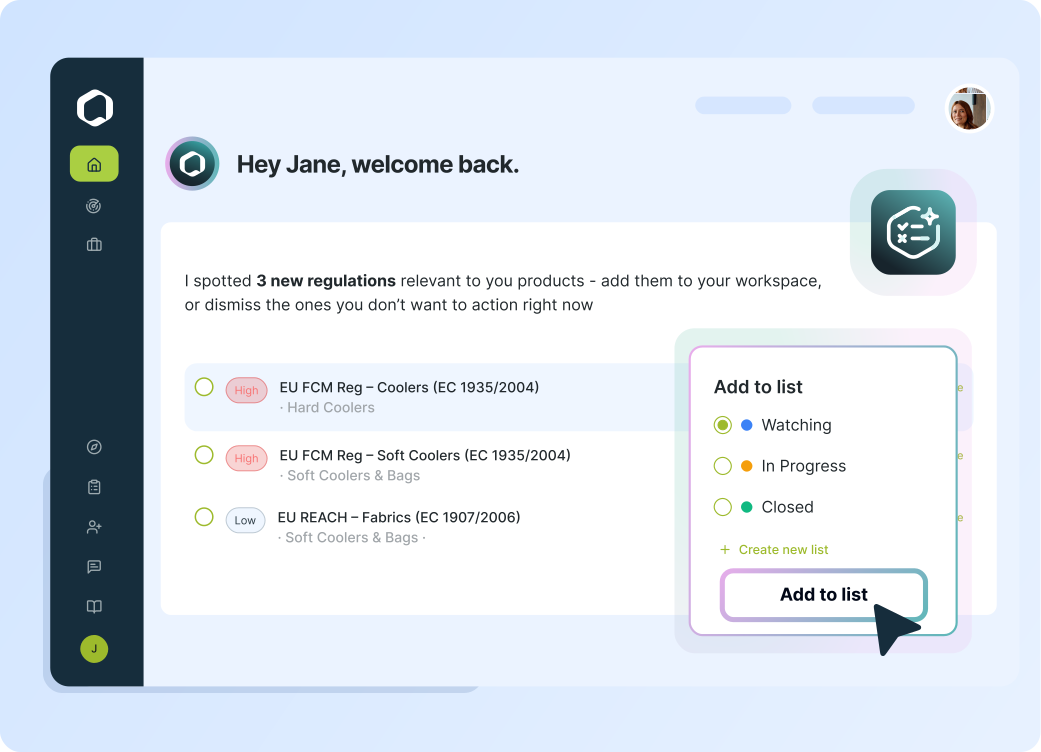
Assess Regulatory Applicability
Map Regulations to Your Products
Eliminate manual research and cut through regulatory noise by surfacing only the requirements relevant to your business, markets, and product categories.
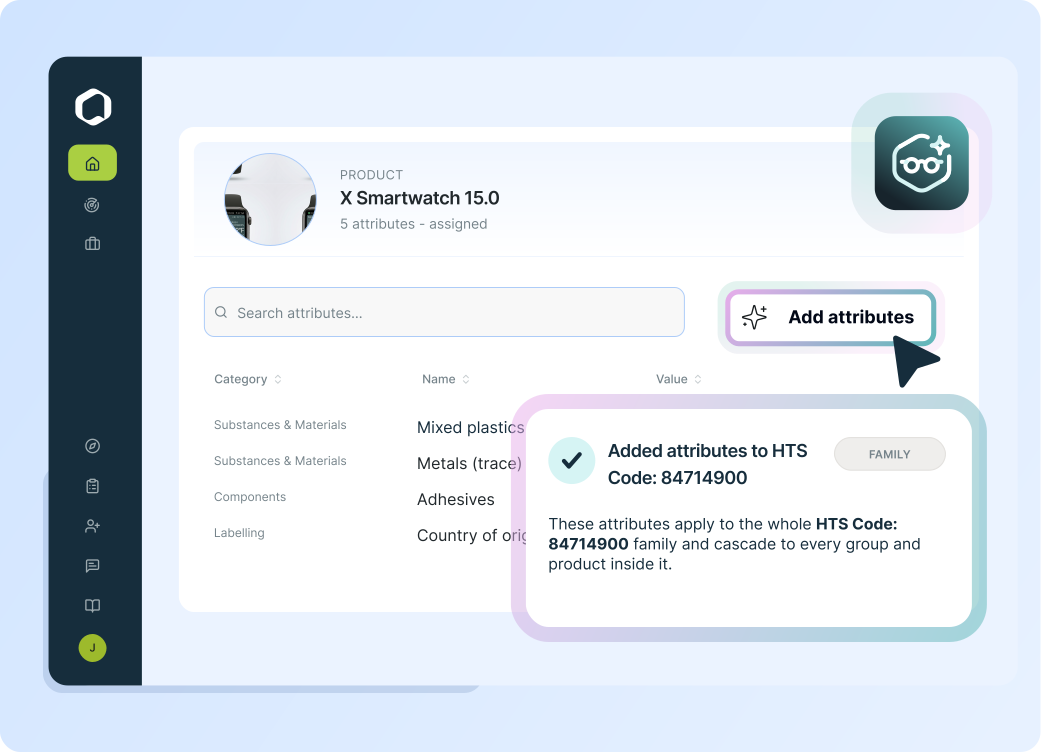
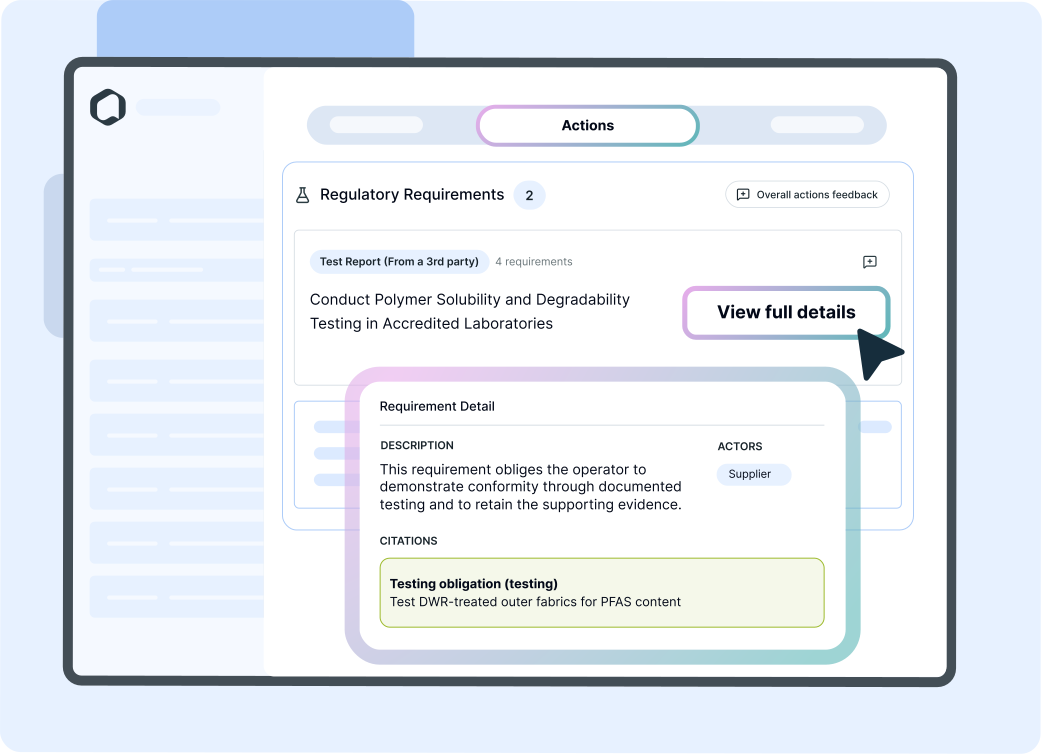
Identify Compliance Requirements
Turn complex regulations into clear, actionable tasks.
Give your teams instant clarity as AI agents transform dense legal and regulatory text into structured, easy-to-understand requirements.
Prioritize Business Risk
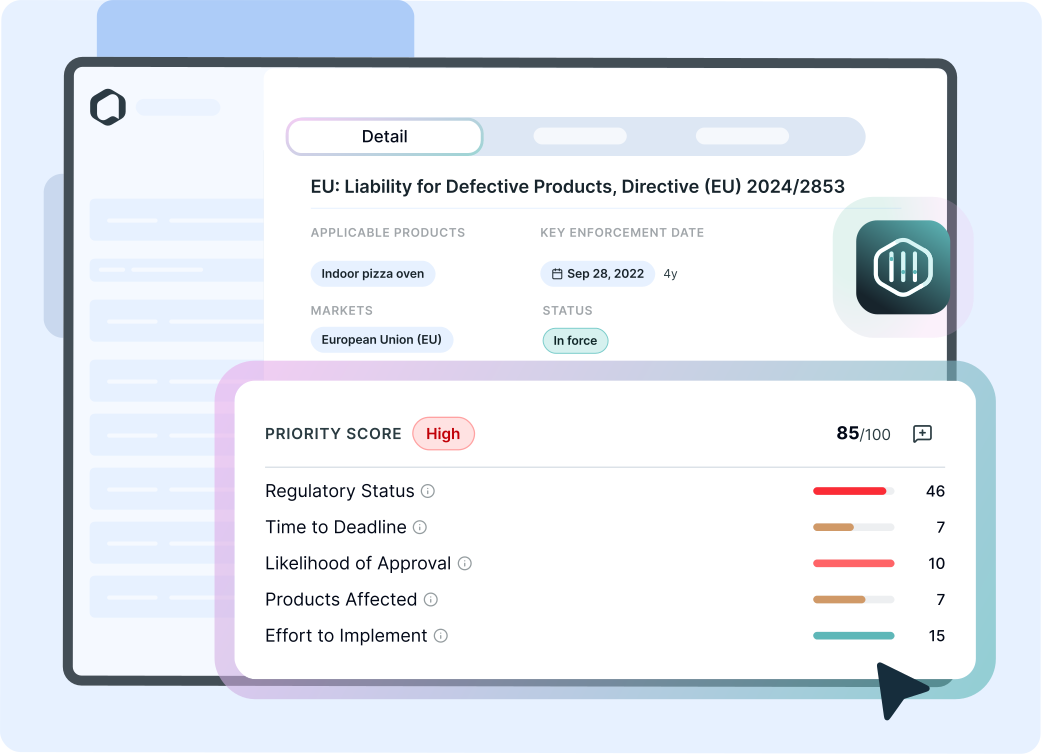
Focus Where Risk Is Highest
Make faster, risk-informed decisions with confidence as AI agents automatically rank regulatory changes based on urgency, business impact, compliance deadlines, and product exposure.
Spotlight
Turning Compliance into Value

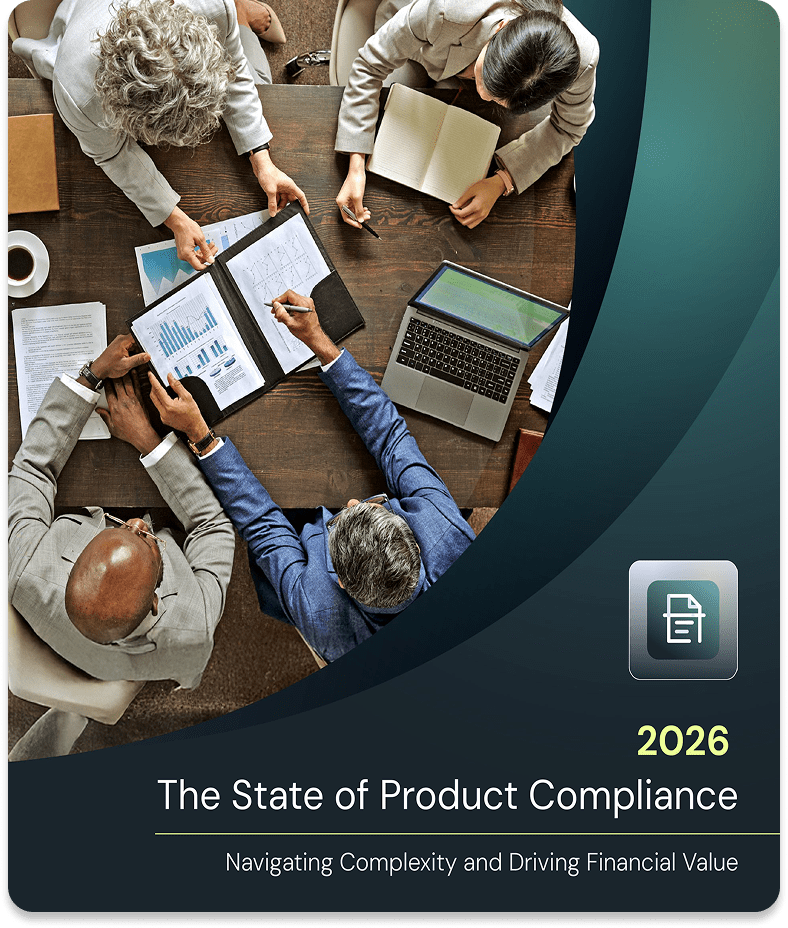
The State of Product
Compliance 2026
Discover how 500+ global leaders are shifting product compliance from a cost-centre into a strategic driver of growth, with key benchmarks like 69% of teams calling remediation their biggest challenge.
Frequently Asked Questions
-
RoHS restricts substances including lead, mercury, cadmium, hexavalent chromium, PBB, PBDE, and certain phthalates, with limits applied per homogeneous material. Compliance professionals must assess each material layer, not the finished product as a whole.
-
Exemptions allow specific restricted substances for defined applications where substitution is not feasible. They are time-limited, periodically reviewed, and may expire or be renewed, requiring companies to actively track validity to avoid non-compliance.
-
Directive (EU) 2015/863 added the 4 phthalates to Annex II of EU RoHS. Reference to it as RoHS 3 is technically inaccurate.
Under the present Directive 2011/65/EU (still RoHS 2), the European Commission was required to carry out a review of the Directive no later than 22 July 2021. Following two studies, a call for evidence and public consultation in 2022, the Commission published a report on the review in December 2023.
Ultimately the Commission decided against a revision of the Directive. Instead, it has issued a targeted amendment through Directive (EU) 2025/2456 re-attributing the responsibility for the technical assessment of time-limited exemptions and the process of reviewing the list of restricted substances to the European Chemicals Agency (ECHA), effective from 13 August 2027.
-
Annex III exemptions 6(b)-I and 6(b)-II remain valid until 30 June 2027 for Category 9 equipment. Exemption 6(b)-I also remains valid until 30 June 2027 for Category 11.
According to the EU’s Exemption Validity Plan however, they are no longer renewable, since a renewal request was not received by the designated deadline of 30 December 2025.
Exemption 6(b)-II remains valid for Category 11 though, as a renewal request was received on 17 December 2025, in due time before the deadline.
-
China RoHS 2 covers electrical and electronic products (EEPs) dependent on electric current or electromagnetic fields to work, or to generate or transmit current and are designed for use with a voltage rating not exceeding 1000 Volt for alternating current and 1500 Volt for direct current and its complementary products.
Complementary product refers to modules, components, parts and materials of electrical and electronic products. This includes both standard and optional accessories for electrical and electronic products, as well as spare parts used for repair, renovation, expansion or upgrade of electrical and electronic products. It therefore encompasses a very broad range of EEPs, including those which are part of complex assemblies (provided that they satisfy the basic EEP definition).