

Regulatory Focus
Battery Regulatory Compliance
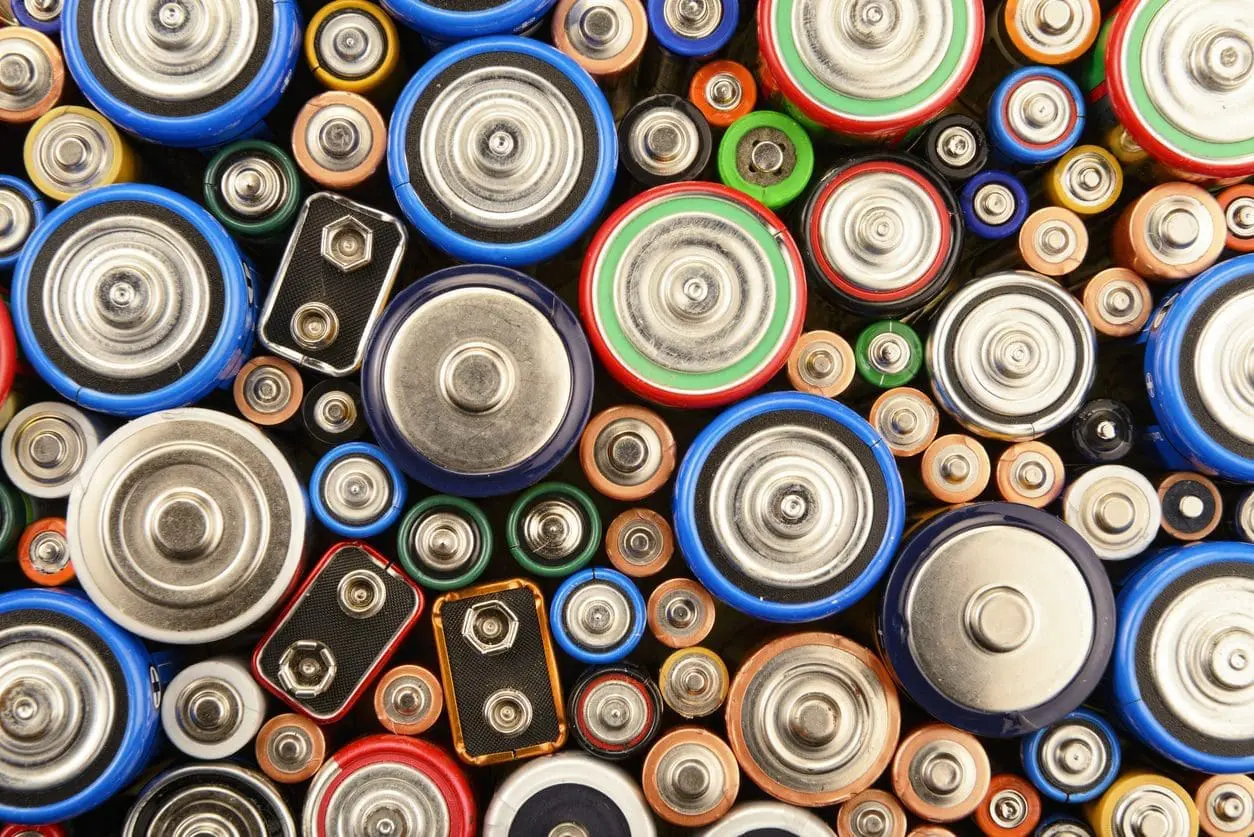
Batteries
195
Countries Covered
28
Languages
3216
Regulatory Sources
Battery regulations address the environmental and safety impacts of batteries across their life cycle. They cover restrictions on hazardous substances, collection and recycling obligations, labeling and information requirements, and measures to support resource recovery and waste reduction.
Rules governing batteries place obligations on manufacturers, importers, and sellers to manage safety, substance controls, labeling, and end-of-life duties, affecting compliance risk and market access.
Companies involved in manufacturing, importing, or selling batteries are typically subject to obligations covering product design, materials, and end-of-life management. These may include controls on hazardous substances, collection and recycling duties, labeling and information requirements, safety and sustainability rules, and design features that support removal and proper disposal.
- Hazardous substance restrictions and concentration limits (e.g., mercury, cadmium, lead).
- Mandatory safety testing (electrical, mechanical, thermal, transport as applicable).
- Design requirements to prevent fire, explosion, leakage, or overheating.
- Required product markings (capacity, voltage, manufacturer/importer details, traceability).
- Conformity marking and Declaration of Conformity (e.g., CE or equivalent).
- Technical documentation preparation and retention.
- Extended Producer Responsibility (EPR) registration and compliance.
- Financing and participation in battery collection and recycling schemes.
- Reporting quantities placed on the market and related record-keeping.
- Corrective action, recall obligations, and cooperation with market surveillance authorities.
We cover battery-related regulations and standards that address environmental protection, product safety, and resource recovery across the battery life cycle. These typically include rules on substance restrictions, safety testing, labeling, collection and recycling, and, in some cases, producer responsibility and market access conditions across jurisdictions.
Below is a high level summary of our coverage for this topic:
- EU: Batteries and Waste Batteries, Regulation (EU) 2023/1542
- USA: Mercury-Containing and Rechargeable Battery Management Act, 42 USC 14301-14336, 1996
- China: GB 24427-2021 Content Limitation of Mercury, Cadmium, and Lead for Zinc Anode Primary Battery, 2021
- China: Lithium Ion Cells and Batteries Used in Portable Electronic Equipments – Safety Technical Specification, Standard GB 31241-2022
- South Korea: Operation Bulletin of Electrical Appliances and Consumer Products Safety Control Act, KATS Notice 2007-1268 – Amendment – (on safety control of lithium secondary batteries) Notice 2019-306
- Canada: Recycling of Batteries, Regulation 30/20
- Brazil: Implementation of Reverse Logistics System for Lead-acid Batteries, Sectoral Agreement, August 2019
- Colombia: Approving Technical Regulation on the Labeling of Zinc-Carbon and Alkaline Batteries, Resolution 721/2018 – Amendment – (on scope, certificate of conformity validity, etc.) Resolution No 2271/2019
- Thailand: Establishment of Industrial Standard TIS 96-1 on Primary Batteries, Announcement No. 5623, 2020




Intelligent Resources




Automate the work of managing regulatory change.
Let AI agents do the heavy lifting of monitoring regulations, mapping requirements to products, extracting obligations, and surfacing the risks that need attention first.
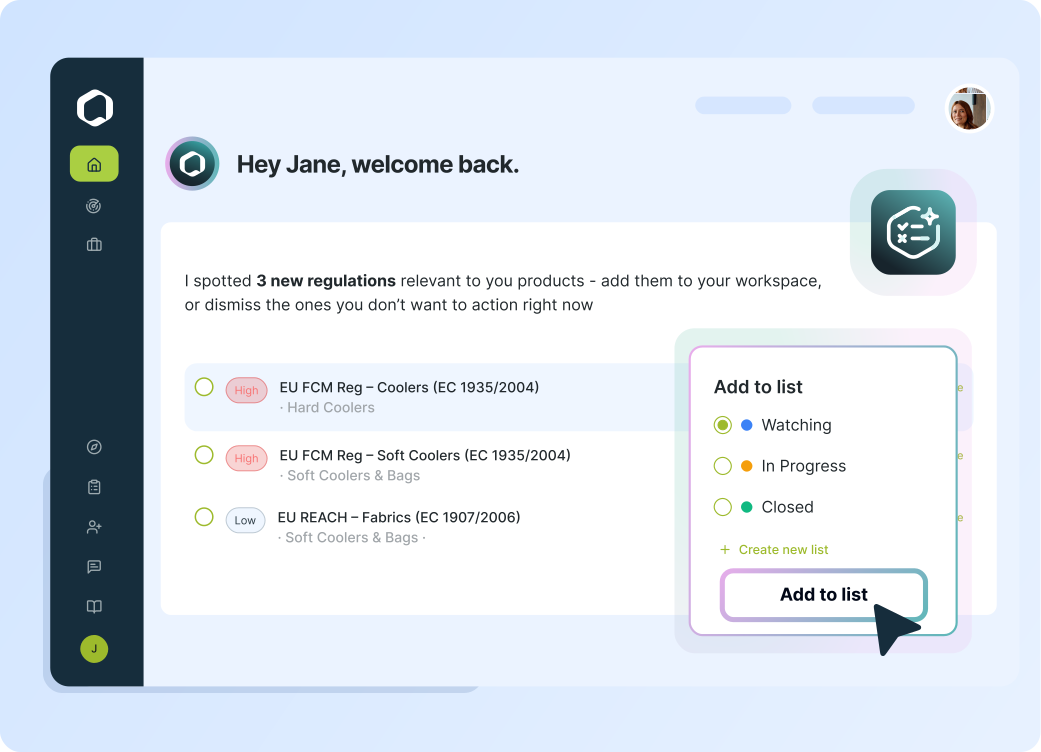
Monitor Product Compliance
Stay Ahead of Regulatory Change
Get early visibility into changes that could affect your products, supply chain, or market access—so you can act proactively, not reactively.
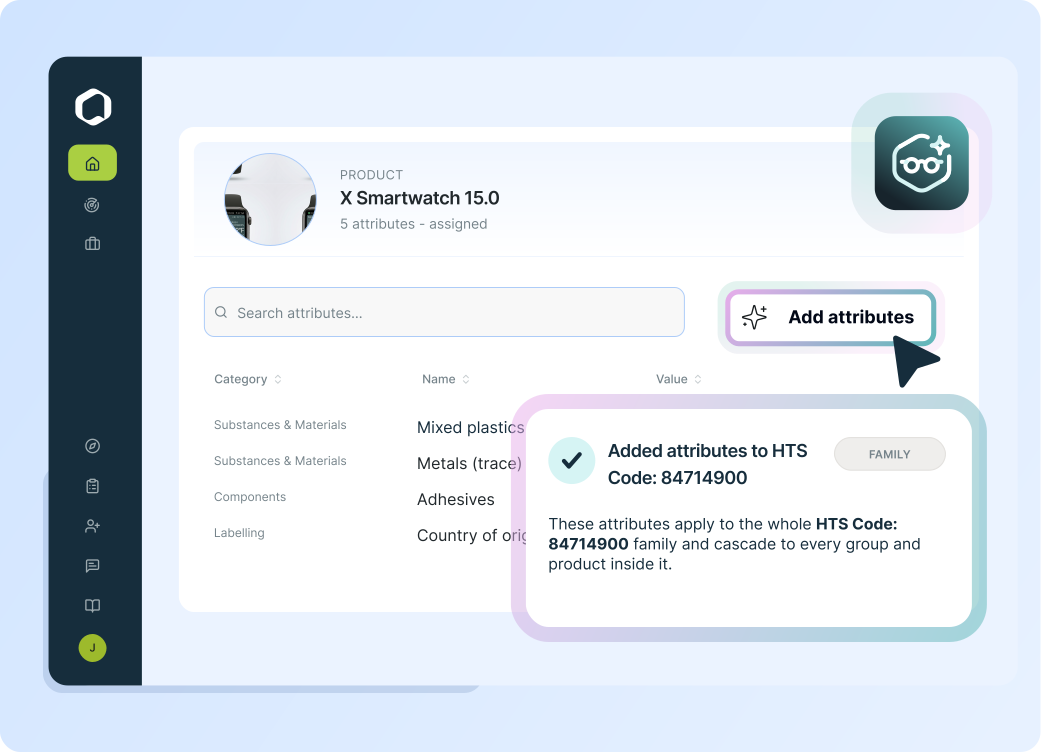
Assess Regulatory Applicability
Map Regulations to Your Products
Eliminate manual research and cut through regulatory noise by surfacing only the requirements relevant to your business, markets, and product categories.
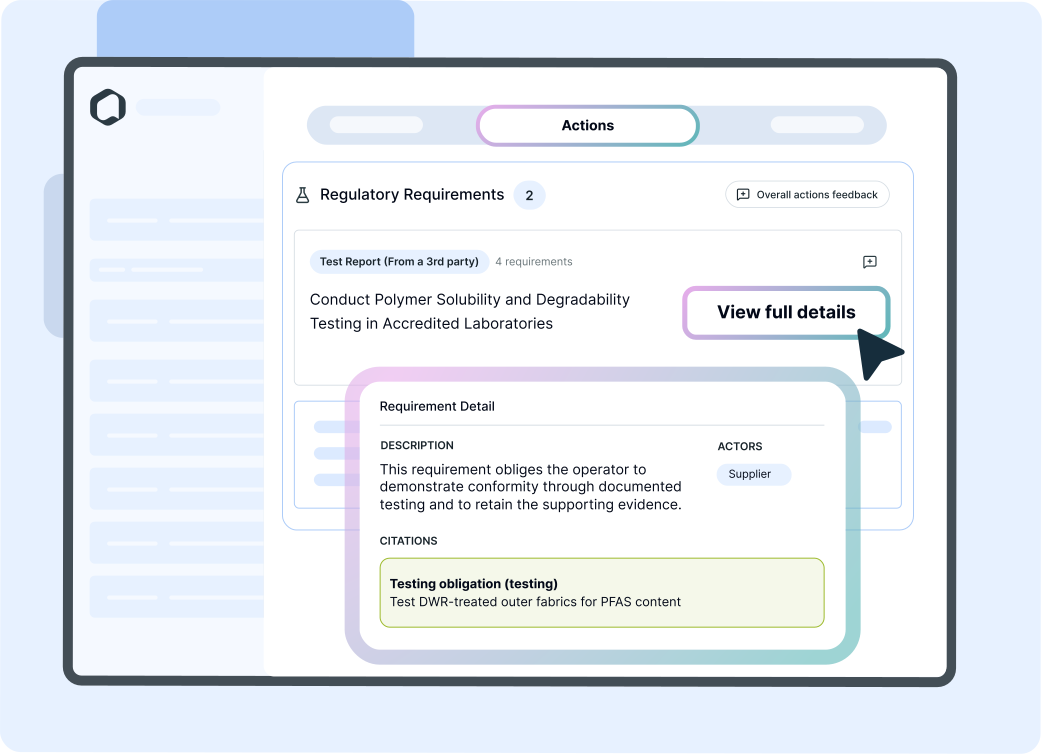
Identify Compliance Requirements
Turn complex regulations into clear, actionable tasks.
Give your teams instant clarity as AI agents transform dense legal and regulatory text into structured, easy-to-understand requirements.
Prioritize Business Risk
Focus Where Risk Is Highest
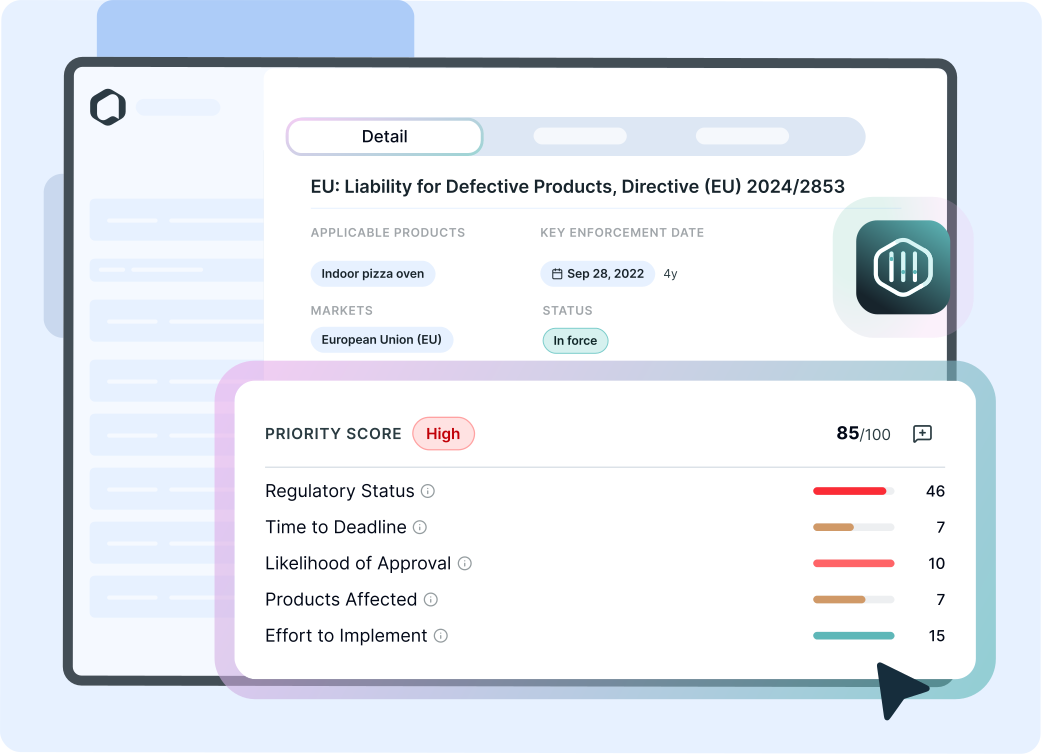
Make faster, risk-informed decisions with confidence as AI agents automatically rank regulatory changes based on urgency, business impact, compliance deadlines, and product exposure.
Spotlight
Turning Compliance into Value


The State of Product
Compliance 2026
Discover how 500+ global leaders are shifting product compliance from a cost-centre into a strategic driver of growth, with key benchmarks like 69% of teams calling remediation their biggest challenge.
Frequently Asked Questions
-
Battery regulations usually apply to portable, industrial, and automotive batteries, including those incorporated into electrical and electronic equipment. Many frameworks also distinguish between rechargeable and non-rechargeable batteries and may impose category-specific obligations such as sustainability or digital traceability requirements.
-
Most jurisdictions restrict or prohibit the presence of mercury, cadmium, and lead above specified concentration thresholds. These limits are designed to reduce environmental and human health risks and are often supported by marking or disclosure requirements when thresholds are exceeded.
-
Batteries are generally required to undergo electrical, mechanical, and thermal safety testing to demonstrate resistance to overcharge, short-circuit, impact, vibration, and thermal abuse. Compliance with recognised standards is typically necessary to support conformity declarations and lawful market access.
-
Common requirements include marking of capacity and nominal voltage, manufacturer or importer identification, traceability identifiers such as batch or serial numbers, conformity markings (e.g., CE where applicable), and separate collection symbols. Some regimes also require QR codes or digital access to compliance information.
-
Producers are often subject to Extended Producer Responsibility schemes requiring registration, financing of collection and recycling systems, reporting of quantities placed on the market, and compliance with collection and recycling targets. Failure to meet these obligations can result in administrative penalties or restrictions on market access.
More
Regulatory
Topics
Circular Economy Solutions
Regulatory Focus Circular Economy 195 Countries Covered 28 Languages 2748 Regulatory Sourc…
Chemicals Management Regulatory Compliance
Regulatory Focus Chemicals Management 195 Countries Covered 28 Languages 5979 Regulatory S…
Electronic Waste / E-Waste / WEEE Compliance
Regulatory Focus Electronic Waste / E-Waste / WEEE 195 Countries Covered 28 Languages 3727…