Key Insights From the ICPHSO 2026 North America Product Safety Training Workshop

This blog was originally posted on 26th June, 2026. Further regulatory developments may have occurred after publication. To keep up-to-date with the latest compliance news, sign up to our newsletter.
AUTHORED BY LUISA TORO CORREA, REGULATORY COMPLIANCE SPECIALIST, ADHERENT
Key Insight
Product safety today extends beyond regulatory compliance to include trust, collaboration, and proactive risk management throughout the product lifecycle. The ICPHSO 2026 North America Product Safety Training Workshop emphasized the importance of asking the right questions, preparing for evolving regulations, and fostering a culture where safety is embedded in every decision.
Table of Contents
- What Does Product Safety Really Mean Today?
- Are You Asking the Right Questions About Chemical Compliance?
- Is Your Organization Ready for the Next Wave of Regulatory Change?
- When Should Legal and Compliance Teams Get Involved?
- Creating a Culture of Safety
- Frequently Asked Questions
What Does Product Safety Really Mean Today?
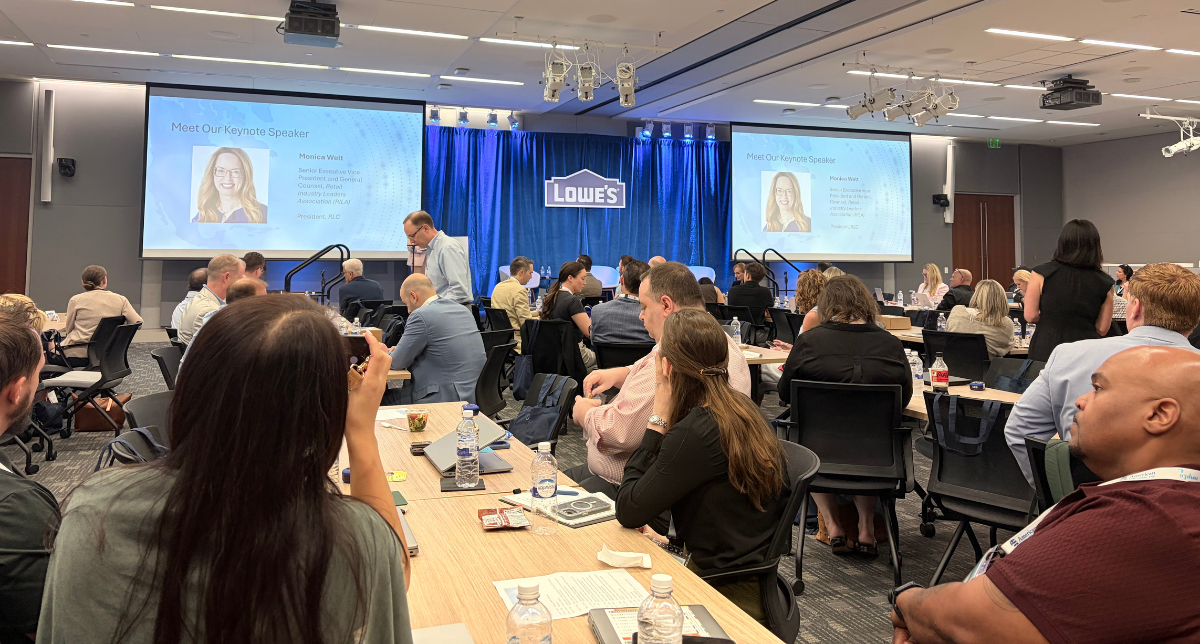
“Safer products, safer outcomes” was a theme that strongly resonated throughout the ICPHSO 2026 North America Product Safety Training Workshop. The event reinforced an important message: product safety is not only about meeting requirements it is about the trust, performance, and people behind every decision made throughout the product lifecycle.
Bringing together industry leaders, former regulators, retailers, legal experts, and compliance professionals, the workshop highlighted the evolving challenges organizations face in today’s global marketplace. From emerging chemical regulations to changing consumer expectations, companies must continue to strengthen their product safety strategies and build a culture in which safety is integrated at every stage of product development.
Are You Asking the Right Questions About Chemical Compliance?
One of the most valuable discussions focused on chemical compliance and testing strategies. The session, “Chemical Testing: How to Get Actionable Answers from Labs—Even When You’re Not Sure What to Ask,” emphasized that chemical compliance begins with asking the right questions. Organizations need to understand how to develop testing programs, interpret laboratory reports, identify high-risk products, and obtain meaningful data from suppliers.
An important takeaway was the need to build stronger supplier partnerships. Companies should seek detailed information regarding materials, treatments, intentionally added chemicals, testing methods, laboratory qualifications, and product traceability. Maintaining supplier statements, such as declarations regarding restricted substances or intentionally added chemicals, can provide valuable documentation for demonstrating compliance.
Is Your Organization Ready for the Next Wave of Regulatory Change?
The workshop also highlighted the importance of preparing for future regulatory developments. Chemical regulations continue to expand across the United States, with PFAS remaining one of the most actively regulated chemical categories. Discussions covered emerging trends in PFAS restrictions, extended producer responsibility (EPR), right-to-repair initiatives, and increased scrutiny of environmental marketing claims such as “free of” and “compostable” claims.
When Should Legal and Compliance Teams Get Involved?
Another important theme was legal preparedness. Building safeguards into supplier agreements, maintaining documentation, understanding when to involve legal counsel, and preparing for potential enforcement actions are critical components of a strong product safety program. As product risks become more complex, collaboration between compliance, legal, quality, and business teams becomes essential.
The workshop also provided valuable insight into upcoming CPSC eFiling requirements for importers. The discussion highlighted the importance of understanding responsibilities, timelines, testing requirements, and certification processes as companies prepare for mandatory eFiling obligations.
Final Thoughts: Creating a Culture of Safety
Beyond the technical discussions, one of the strongest messages from the event was the importance of the product safety community. Knowledge sharing, collaboration, and continuous learning allow organizations to move beyond reactive compliance and toward proactive safety management.
Ultimately, product safety is achieved when organizations combine strong standards, reliable data, effective communication, strong alliances, and the commitment of the people behind the products.
Creating safer products requires more than compliance; it requires a culture of safety built on trust, accountability, and continuous improvement.
Frequently Asked Questions
- What was the central theme of the ICPHSO 2026 North America Product Safety Training Workshop?
The workshop emphasized that “safer products, safer outcomes” means product safety is not only about meeting requirements but also about the trust, performance, and people behind every decision made throughout the product lifecycle. - Why is asking the right questions important for chemical compliance?
The workshop highlighted that effective chemical compliance begins with asking the right questions, including how to develop testing programs, interpret laboratory reports, identify high-risk products, and obtain meaningful data from suppliers. - Why are supplier partnerships important for product safety?
Building stronger supplier partnerships helps companies obtain detailed information about materials, treatments, intentionally added chemicals, testing methods, laboratory qualifications, and product traceability while maintaining documentation that supports compliance. - What regulatory trends were discussed during the workshop?
Discussions covered expanding chemical regulations across the United States, PFAS restrictions, extended producer responsibility (EPR), right-to-repair initiatives, and increased scrutiny of environmental marketing claims such as “free of” and “compostable” claims. - What does creating a culture of safety involve?
According to the workshop, creating a culture of safety requires organizations to combine strong standards, reliable data, effective communication, strong alliances, and the commitment of the people behind the products, moving beyond compliance toward trust, accountability, and continuous improvement.
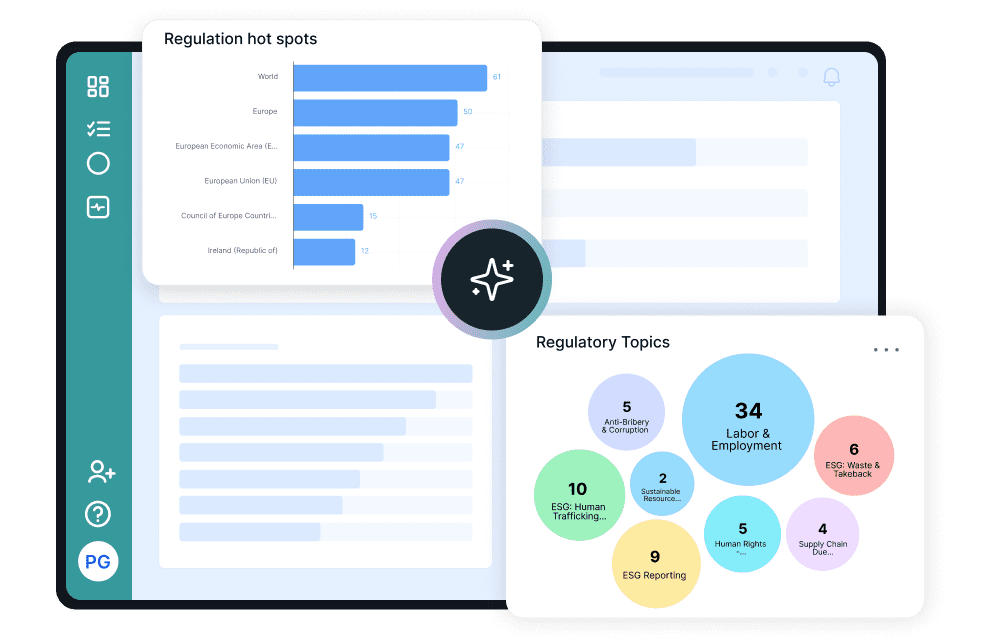
See Adherent in Action
Discover how agentic AI is reshaping product compliance for global enterprises.
Authors


Luisa Toro Correa
Regulatory Compliance Specialist
Leading global chemical regulatory compliance with expertise in Proposition 65, chemicals management, chemicals in products, GHS implementation, and nanotechnology.

The Ultimate Product Compliance Playbook
What the World’s Leading Product Organizations Have Figured Out About Product Compliance