Battery Regulation in Practice: Key Takeaways from Battery & Energy Storage Tech Europe 2026

This blog was originally posted on 16th September, 2026. Further regulatory developments may have occurred after publication. To keep up-to-date with the latest compliance news, sign up to our newsletter.
Authored by Dila Şen, Senior Regulatory Compliance Specialist, Adherent
Key Insight
Battery compliance is increasingly becoming a value-chain and lifecycle issue, extending beyond individual legal obligations to data flows, contractual responsibilities, technical processes and lifecycle management. The Battery Passport, DPP/DBP solutions, circularity, BESS safety and supply-chain responsibilities are central to translating EU Batteries Regulation requirements into practice.
Table of Contents
- Battery Regulation in Practice: Key Takeaways from Battery & Energy Storage Tech Europe 2026
- The Battery Passport is moving from legislation to implementation
- Compliance is becoming a value-chain responsibility
- Circularity is becoming part of product compliance
- BESS growth brings new compliance questions
- Regulation and innovation are developing together
- Conclusion
- Frequently Asked Questions
Battery Regulation in Practice: Key Takeaways from Battery & Energy Storage Tech Europe 2026
The European battery sector is entering a new phase. Technological development continues at pace, while regulatory requirements are becoming increasingly detailed and extending across the battery lifecycle.
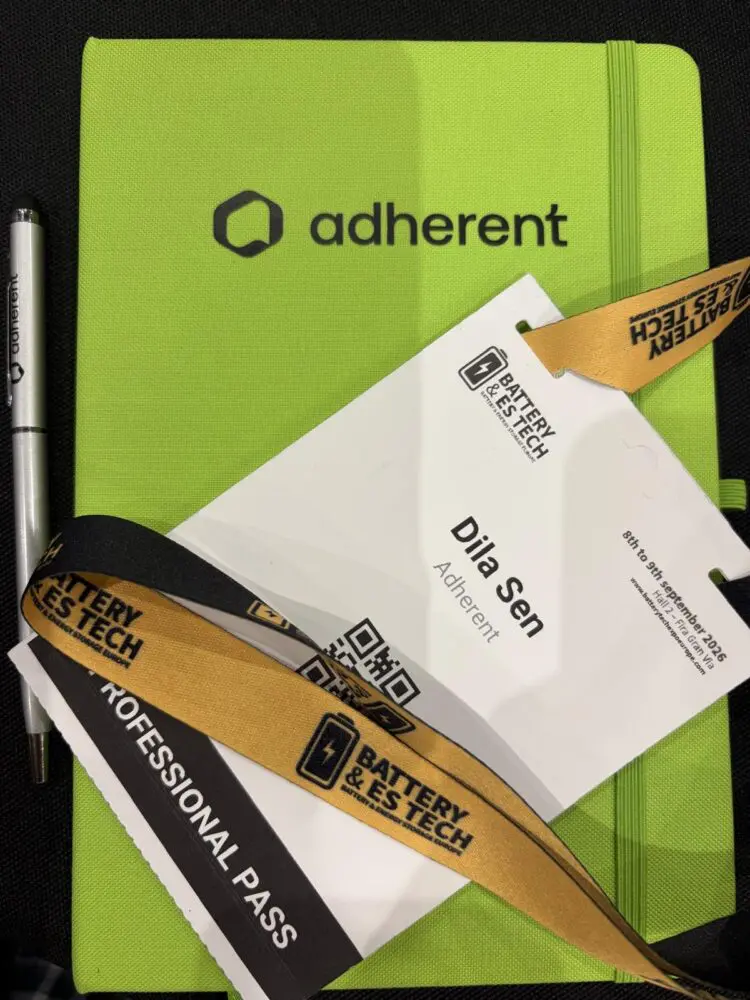
The Battery & Energy Storage Tech Europe 2026, held in Barcelona on 8–9 September, provided a useful view of how these developments are translating into practical challenges and opportunities for businesses. The event brought together more than 2,000 professionals, 700+ registered companies and 70+ speakers from across the industrial and stationary battery ecosystem, including manufacturers, technology providers, system integrators, recyclers, industrial users, researchers and policymakers.
From a regulatory and compliance perspective, several themes stood out.

The Battery Passport is Moving from Legislation to Implementation
One of the clearest themes was the growing focus on Digital Battery Passports (DBPs) and their relationship with the wider Digital Product Passport (DPP) framework.
The discussion is increasingly moving beyond the question of what the EU Batteries Regulation requires and towards how businesses will actually meet those requirements. This involves collecting information from different actors across the value chain, ensuring data quality and traceability, managing access to information, and maintaining the required data throughout the battery lifecycle.
The event featured dedicated discussions on Digital Identities and Battery Passports, with companies represented among the speakers. The programme also positioned the Battery Passport as an area where European regulation can translate into practical business opportunities.
This development is particularly relevant from a legal perspective. The Battery Passport is not simply a digital record attached to a product. Its implementation raises questions around responsibility for data, information-sharing obligations, accountability across the supply chain, data governance and contractual arrangements between economic operators.
The emergence of DPP and DBP service providers also demonstrates that the market is beginning to develop the infrastructure needed to operationalise these regulatory requirements.
Want to find out more about the EU Digital Battery Passport? Read our new blog.
Compliance is Becoming a Value-chain Responsibility
Another important takeaway was the extent to which battery compliance depends on cooperation between multiple actors.
The event brought together participants from across the battery value chain, from battery and pack manufacturers and BMS providers to EPCs, system integrators, recycling companies, industrial end-users and policymakers.
This reflects an important feature of the EU Batteries Regulation: many compliance obligations depend on information or activities that involve more than one economic operator.
For businesses, this means that regulatory compliance cannot always be addressed by looking only at the obligations that apply directly to their own organisation. Companies increasingly need to understand where required information originates, who is responsible for providing or verifying it, what must be shared with other actors, and how those responsibilities should be reflected in contracts and internal processes.
For legal and compliance teams, this makes supply-chain mapping and the allocation of responsibilities increasingly important parts of regulatory implementation.
Circularity is Becoming Part of Product Compliance
Circularity, recycling and second-life applications were another central theme at the event.
The conference programme placed these issues alongside Battery Passport, EU regulation and compliance, reflecting the increasingly close relationship between lifecycle management and regulatory requirements.
The regulatory significance of circularity extends beyond end-of-life obligations. Reuse, repurposing and recycling can involve different economic operators and require information about the battery to remain available throughout its lifecycle.
This is where the Battery Passport becomes particularly relevant. Reliable information can support traceability and help different actors understand the characteristics and history of a battery when determining how it should be managed at different stages of its life.
For businesses, therefore, circularity is not only an environmental or sustainability objective. It increasingly involves product compliance, information requirements and responsibilities extending across the battery lifecycle.
For further information on product compliance and circularity in the EU and UK, check out our on-demand webinar.
BESS Growth Brings New Compliance Questions
The event also placed significant attention on Battery Energy Storage System (BESS) safety and performance requirements, together with EU regulation and compliance frameworks. These topics were specifically included in the second day of the conference programme, alongside applications in ports, rail, logistics and data centres.
As industrial and stationary energy storage systems become more widely deployed, businesses need to navigate an increasingly complex combination of product requirements, safety considerations, technical standards and conformity assessment processes.
From a legal perspective, one of the key challenges is therefore not simply identifying the applicable legislation, but understanding how compliance can be demonstrated in practice through technical documentation, testing, standards and appropriate conformity assessment procedures.
The regulatory assessment may also become more complex where several legislative and technical frameworks apply to the same product or system.
Regulation and Innovation are Developing Together
A final takeaway was the close relationship between regulatory developments and technological innovation.
The conference programme combined regulatory discussions with sessions on next-generation battery chemistries, industrial investment, digital identities, circularity and emerging energy-storage applications.
This is significant for businesses because regulatory requirements can influence product design, information architecture and commercial decisions well before a product reaches the market.
The practical question for companies is therefore not only “What are our regulatory obligations?”, but also “How should we build compliance into the product, data and supply-chain processes from the outset?”
Early regulatory assessment can help businesses identify requirements before they become implementation constraints, particularly in an industry where technology, business models and regulation are developing simultaneously.
Conclusion
Battery & Energy Storage Tech Europe 2026 provided a useful snapshot of a battery industry that is developing not only technologically, but also in terms of its regulatory infrastructure.
The discussions around the Battery Passport, DPP and DBP solutions, circularity, second-life applications, BESS safety and value-chain responsibilities demonstrate that the next stage of battery compliance will require more than an understanding of individual legal provisions.
Businesses will increasingly need to translate regulatory requirements into data flows, contractual responsibilities, technical processes and lifecycle management strategies.
For legal and compliance professionals, this makes the EU Batteries Regulation particularly significant. Its requirements increasingly sit at the intersection of product compliance, sustainability, digitalisation and supply-chain governance.
Keeping pace with the legislation remains essential. However, the more challenging task is turning regulatory requirements into processes that can work across the entire battery value chain.
At Adherent, our regulatory expertise helps businesses monitor evolving requirements, understand what applies to their products and translate regulatory change into actionable compliance requirements.
Frequently Asked Questions
- What were the main regulatory themes discussed at Battery & Energy Storage Tech Europe 2026?
The main themes included the Battery Passport, DPP and DBP solutions, circularity, second-life applications, BESS safety and value-chain responsibilities. - Why is the Battery Passport important for businesses?
The Battery Passport raises questions around responsibility for data, information-sharing obligations, accountability across the supply chain, data governance and contractual arrangements between economic operators. - Why is battery compliance becoming a value-chain responsibility?
Many compliance obligations depend on information or activities that involve more than one economic operator. Companies increasingly need to understand where required information originates, who is responsible for providing or verifying it, and what must be shared with other actors.

See Adherent in Action
Discover how agentic AI is reshaping product compliance for global enterprises.
Authors


Dila Şen
Senior Regulatory Compliance Specialist
Leading global regulatory compliance with expertise in artificial intelligence (AI) and batteries.


The Ultimate Product Compliance Playbook
What the World’s Leading Product Organizations Have Figured Out About Product Compliance