

Regulatory Focus
EH&S: Occupational Health & Safety
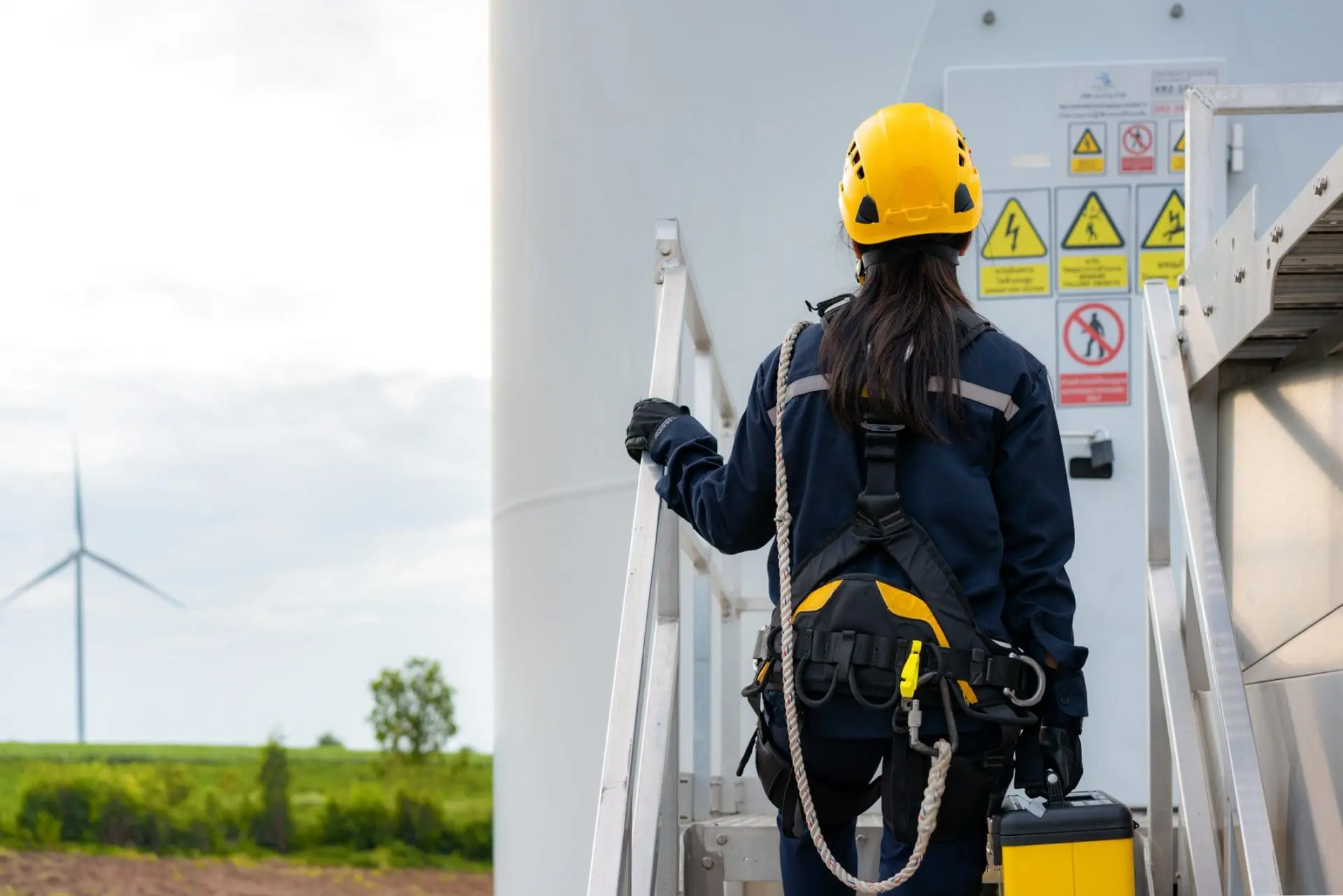
EH&S: Occupational Health & Safety
195
Countries Covered
28
Languages
10.8k
Regulatory Sources
Our occupational legislation in C2P encompasses laws and regulations designed to protect workers from workplace hazards by setting requirements for safe working conditions, exposure limits, training, and health monitoring. It covers areas such as workplace safety, industrial hygiene, and worker protection programs.
Occupational Health & Safety focuses on preventing workplace injuries and illnesses by requiring companies to identify hazards, implement controls, provide training, and maintain safe working conditions, with non-compliance leading to legal, financial, and reputational risk.
Companies must systematically identify and control workplace hazards, establish and communicate safe operating procedures, and provide workers with training and clear hazard warnings in a language they understand. They must also maintain access to medical and exposure records, report serious incidents, and prepare for emergencies to protect employees and property.
- General Duty of Care: The fundamental requirement is that employers must provide a workplace free from “recognized hazards” likely to cause death or serious harm.
- Risk Assessment & Hazard Control: Employers are required to conduct regular, documented risk assessments, incl. safety, health, and psychosocial risks.
- Training & Information: Information must not only be provided but must be understandable.
- Recordkeeping & Reporting: Incl. injury tracking and incident reporting.
- Provision of safety equipment: If a risk cannot be organized or engineered away, the employer must provide appropriate PPE.
We cover regulations and standards that set out employer duties to identify and control workplace hazards, ensure safe working conditions, and provide health and safety training and information. This includes laws governing general workplace safety frameworks, use of equipment, chemical hazard communication, exposure limits, and emergency preparedness, as well as country-specific occupational safety acts and directives we track globally.
- EU: Safety and Health of Workers at Work Framework Directive 89/391/EEC
- EU: Minimum Safety and Health Requirements for the Use of Work Equipment by Workers at Work, Directive 2009/104/EC
- USA: Occupational Safety and Health (OSH) Act, 29 USC 651-678, 1970
- China: Work Safety Law, 2002
- China: National Plan on Occupational Disease Prevention and Control (2016-2020), Notice No. 100, 2016
- France: Physical Quantities Regarding Exposure Limits to Electromagnetic Fields in the Workplace, Order, December 2016
- Belgium: Welfare of Workers at Work, Law, 4 August 1996
- Netherlands: Abolition of Smoking Areas in Workplaces, Decree, January 2021
- Colombia: Globally Harmonized System (GHS) of Classification and Labelling of Chemical Products in the Workplace, Resolution No. 773, 2021
- India: Occupational Safety, Health and Working Conditions Central Rules, 2026
- Ontario (Canada): Safety Requirements for Elevating Work Platforms, Regulation 117/26
- Thailand: Posting Rights and Duties of Employers and Employees, and Safety Signs, Announcement, 2026



Intelligent Resources


Automate the work of managing regulatory change.
Let AI agents do the heavy lifting of monitoring regulations, mapping requirements to products, extracting obligations, and surfacing the risks that need attention first.
Monitor Product Compliance
Stay Ahead of Regulatory Change
Get early visibility into changes that could affect your products, supply chain, or market access—so you can act proactively, not reactively.
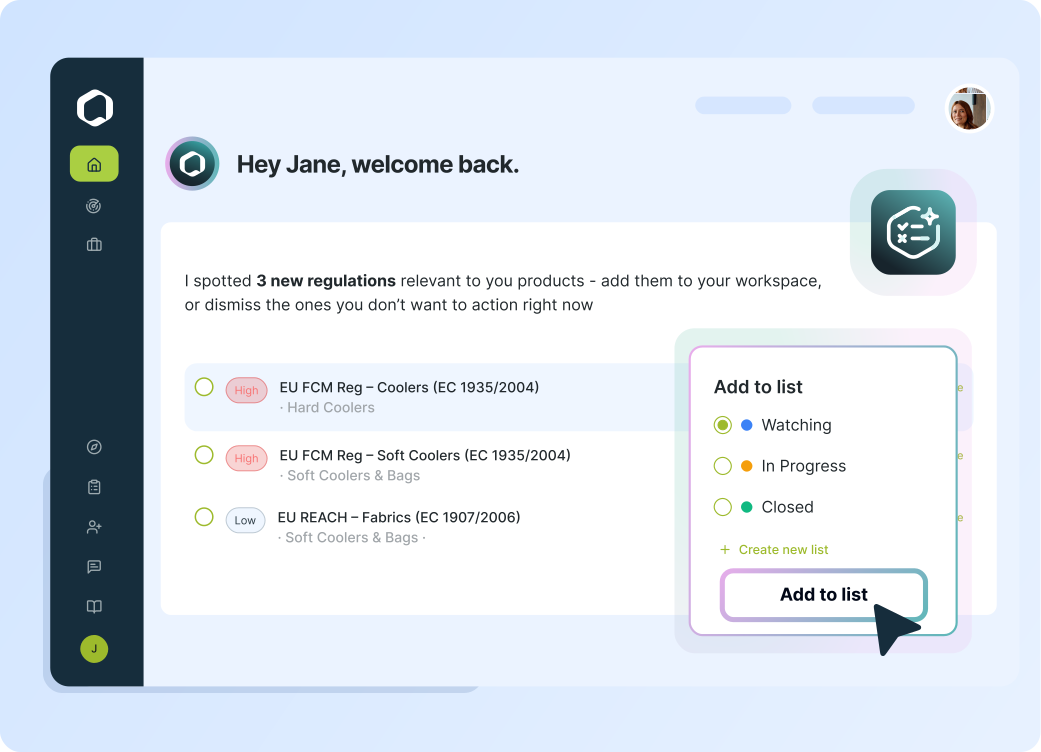
Assess Regulatory Applicability
Map Regulations to Your Products
Eliminate manual research and cut through regulatory noise by surfacing only the requirements relevant to your business, markets, and product categories.
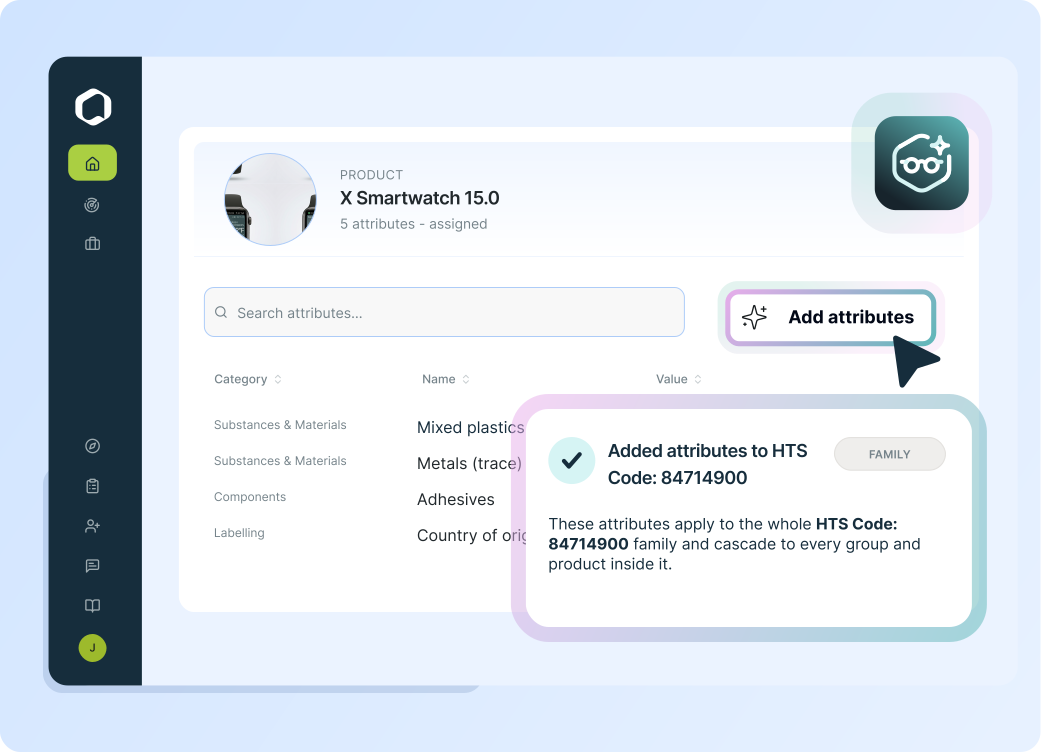
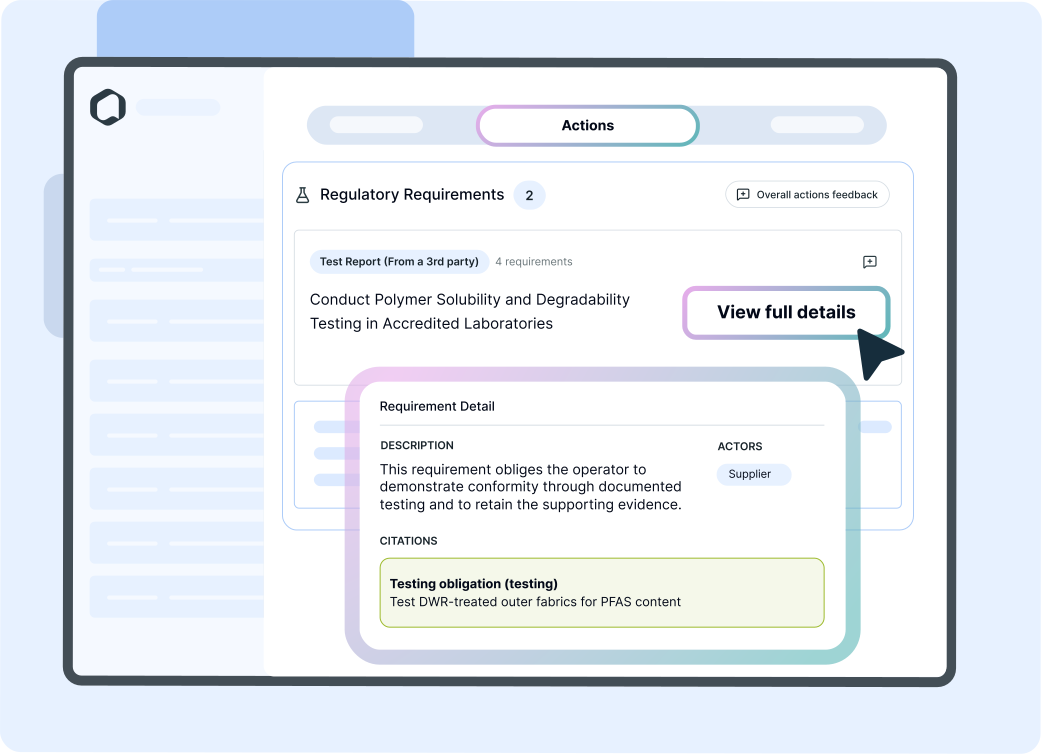
Identify Compliance Requirements
Turn complex regulations into clear, actionable tasks.
Give your teams instant clarity as AI agents transform dense legal and regulatory text into structured, easy-to-understand requirements.
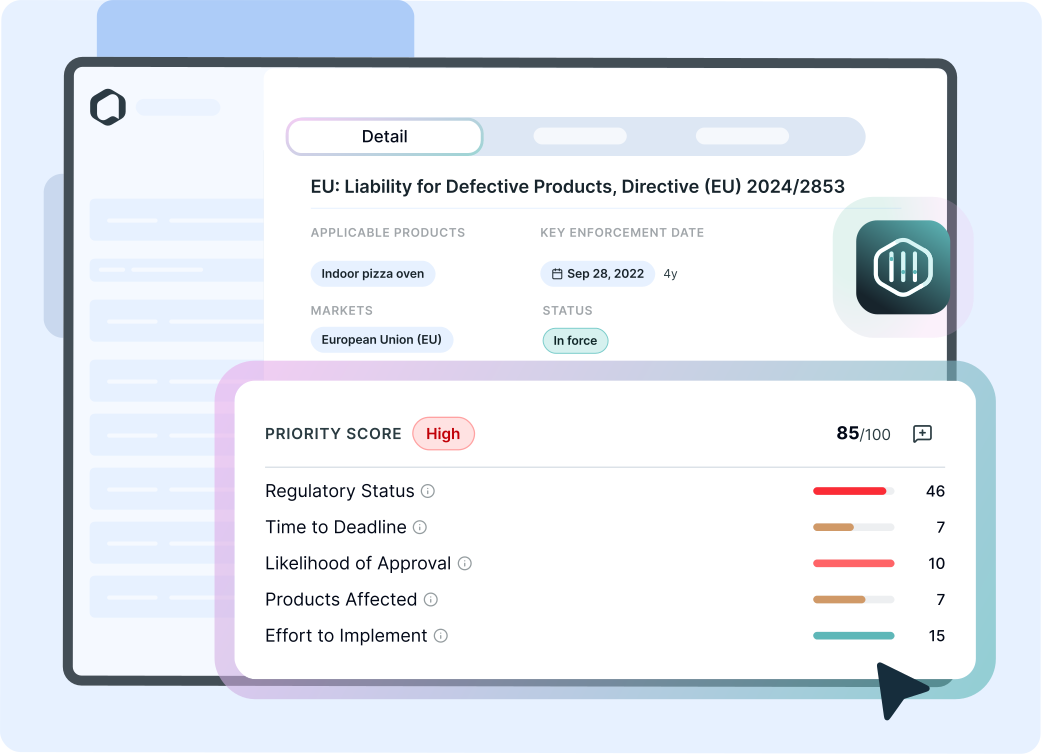
Prioritize Business Risk
Focus Where Risk Is Highest
Make faster, risk-informed decisions with confidence as AI agents automatically rank regulatory changes based on urgency, business impact, compliance deadlines, and product exposure.
Spotlight
Turning Compliance into Value

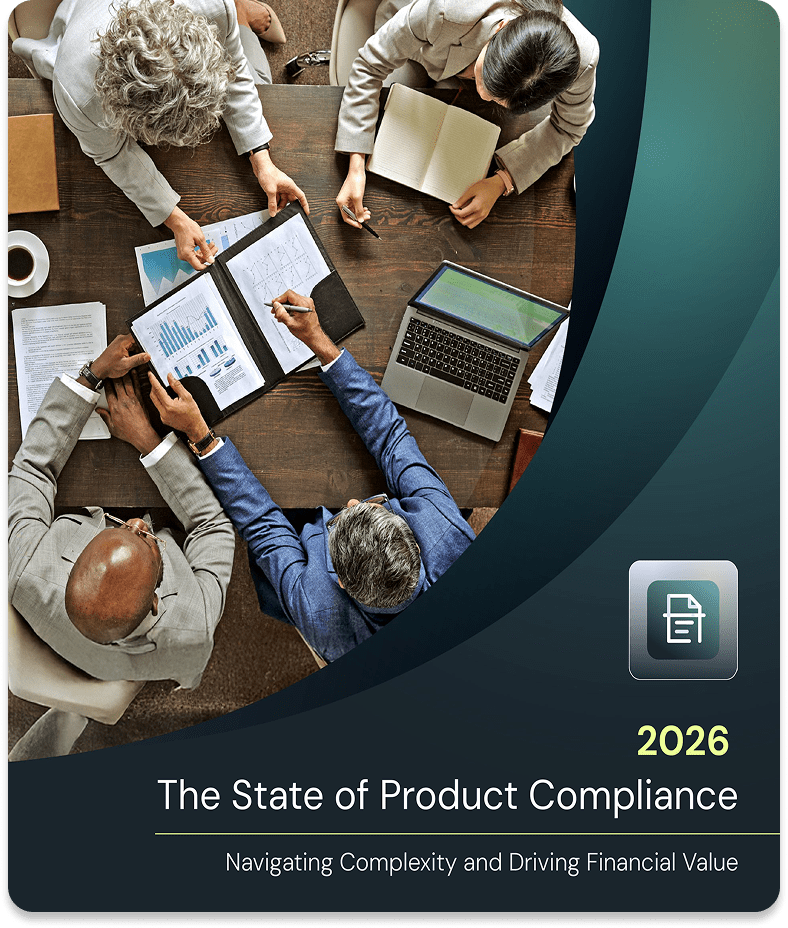
The State of Product
Compliance 2026
Discover how 500+ global leaders are shifting product compliance from a cost-centre into a strategic driver of growth, with key benchmarks like 69% of teams calling remediation their biggest challenge.
Frequently Asked Questions
-
Employers must identify and control workplace hazards, provide safe operating procedures, and ensure employees are trained in a language and vocabulary they understand. They must also maintain hazard communication (e.g., labels, signage), keep and provide access to medical and exposure records, and report serious incidents such as fatalities or inpatient hospitalizations. Emergency preparedness and response plans are also required to prevent harm to workers and property.
-
Companies should monitor key frameworks such as the EU’s Framework Directive 89/391/EEC and Directive 2009/104/EC on work equipment, the US OSH Act (29 USC 651–678), and national laws such as China’s Work Safety Law (2002). These laws establish general workplace safety obligations and set the foundation for more specific standards related to equipment, chemical safety, exposure limits, and emergency response.
-
This is a prioritized strategy to reduce risk, ranked from most to least effective:
- Elimination – Remove the hazard (e.g., stop using a toxic chemical).
- Substitution – Replace the hazard (e.g., use a water-based paint instead of lead-based).
- Engineering – Build a barrier between the human and the hazard (e.g., machine guards).
- Administrative – Change how people work (e.g., rotating shifts to limit noise exposure).
- 5. PPE – Use Personal Protective Equipment (the last line of defense).
-
Recordable: Any work-related injury that requires more than basic first aid (e.g., stitches, prescription meds, or days away from work). These go on your internal logs.
Reportable: Severe incidents (e.g., fatalities, amputations, or hospitalizations) that must be reported directly to a government agency within a strict timeframe (often 8 to 24 hours).
-
A Safety Committee acts as the bridge between management and the frontline workforce. Their primary goals are:
- Hazard Identification – Conducting regular “floor walks” to spot issues before they become accidents.
- Incident Review – Analyzing “near misses” to find root causes.
- Communication – Ensuring employees feel they have a voice in safety without fear of retaliation.
More
Regulatory
Topics
EH&S: Occupational Health & Safety
Regulatory Focus EH&S: Occupational Health & Safety 195 Countries Covered 28 Langu…
Labor & Employment
Regulatory Focus Labor & Employment 195 Countries Covered 28 Languages 5166 Regulatory…
Product Safety Compliance Solutions
Regulatory Focus Product Safety 195 Countries Covered 28 Languages 10398 Regulatory Source…