CUSTOMER STORIES
How Miele Optimized the Regulatory Compliance Process
Founded in 1899, Miele has 8 production plants in Germany, as well as factories in Austria, the Czech Republic, Italy, Poland, Romania and China, while selling its products around the world in over 100 countries.
15
Production Plants
20k
Employees Globally
100+
Markets/Regions
Background
With multiple manufacturing facilities across all four continents, and sales operations in over 100 countries around the world, product compliance is a top priority for Miele in achieving and maintaining market access.

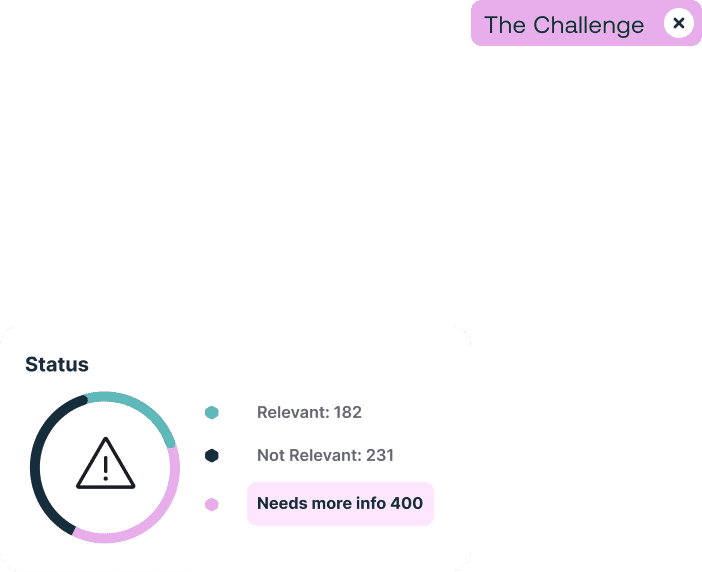
The Challenge
- Multiple global locations mean staying on top of all legal product compliance requirements worldwide is paramount
- Highly regulated industry sector requires reliable & up-to-date monitoring of key policy areas such as energy and performance / labeling, substances and material, safety, waste and general environment, among others
- Early notification of regulatory changes in all markets is essential to ensure product design meets compliance requirements, and avoid delays or market access interruption
- An integrated compliance system, and associated workflow processes, must work for all relevant stakeholders and compliance teams across the organization
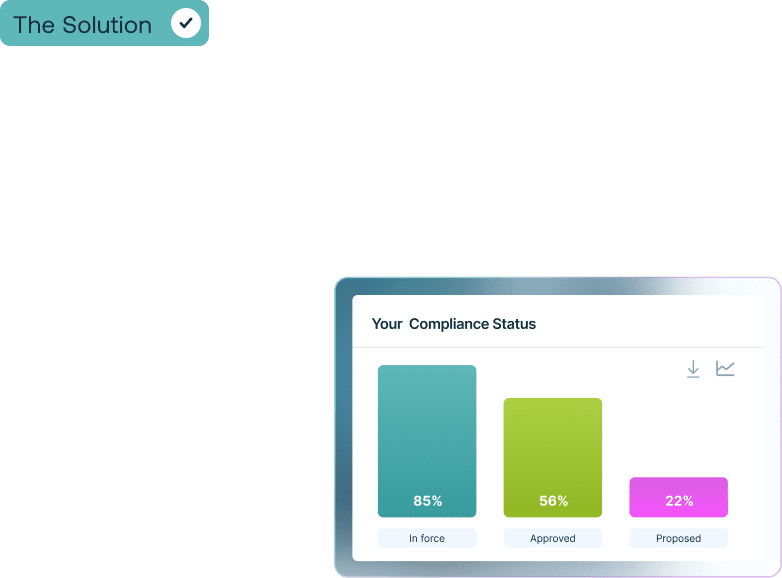
The Solution
The Miele implementation process focused on developing:
- Customized projects reflecting specific responsibilities of each manager for monitoring and interpreting regulatory requirements
- Projects based on filters for geographical regions, products, and regulatory topics
- Centralized process for review and assessment of regulations and source, and identification of associated requirements of relevance
- Standardized workflows to check, refine, and release requirements


The Benefits
- Reduced exposure to the risks and cost of regulatory non-compliance through regular reliable compliance information & early alerts on changes
- Centralized management system preserves corporate memory in one place within C2P
- Resulting legal register of product requirements worldwide protects market access
- Clearly defined workflow and responsibilities support team performance, and facilitates improved productivity and efficiency across all compliance team locations
- Enhanced communication and collaboration within C2P gives greater transparency for all users, and results in reduced product-to-market timelines
- Onboarding and Implementation support ensure maximized return on investment in C2P
Customer Experience
In Numbers
Enhanced communication and collaboration within C2P gives greater transparency for all users, and results in reduced product-to-market timelines for Miele.

9212
Regulations and standards alerts received through C2P
1685
Regulations and standards assessments completed by Miele
Key Regulations Impacting Their Industry
Energy Efficiency
Energy efficiency regulations apply to energy-using and energy-related products by setting…
Read morePackaging
Packaging and packaging waste regulations shape how packaging is designed, managed, and re…
Read moreElectronic Waste / E-Waste / WEEE Compliance
Waste Electrical and Electronic Equipment (WEEE or e-waste) legislation aims to protect th…
Read moreAsk Our Experts
Stop Drowning in Regulatory Updates & Get Back to Business
Feeling overwhelmed by the regulatory avalanche? You’re not alone. Keeping up with complex legislation across various jurisdictions and industries can feel like a full-time job, draining valuable resources from your core business. What if you could add 80+ compliance experts to your team? With our Ask the Experts service, you can. Our global team of 50+ subject matter experts and 30+ knowledge partners provides unparalleled expertise across a diverse range of products, geographies, and policy areas.




Gain instant access to:
In-depth knowledge
Our experts possess deep understanding of a wide range of regulations across various industries and jurisdictions globally.
Rapid response
Get quick answers to your questions, often within 30 minutes, freeing up your team to focus on other priorities.
Confidence and clarity
Navigate regulatory complexities with assurance, knowing you have a team of experts backing you up.
Don’t just take our word for it

Trusted by Compliance Leaders Driving Growth at the World’s Top Brands